2026 Best Automated Packaging Solutions for Your Business?
As businesses evolve, automated packaging has emerged as a game-changer. In 2026, the demand for efficient and reliable packaging solutions is at an all-time high. Companies seek to streamline operations, reduce costs, and enhance productivity. Automated packaging systems promise to meet these needs, making them essential for modern businesses.
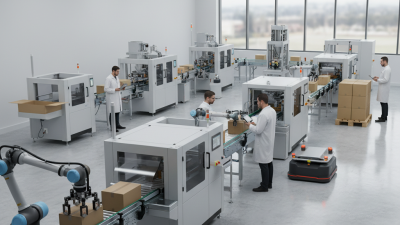
Investing in automated packaging can transform how products are delivered. Imagine a factory floor where machines handle everything with precision. No more manual labor stresses. However, not all solutions fit every business model. Some systems can be costly and require extensive training. Businesses must carefully evaluate their unique needs.
The path to automation is not without challenges. Companies may struggle with integration into existing processes. Technical issues can arise, leading to downtime. Reflection on these potential pitfalls is crucial. It helps in choosing the right automated packaging solution for your specific needs. Understanding these factors can guide businesses toward success in the competitive landscape of 2026.
Overview of Automated Packaging Solutions in 2026
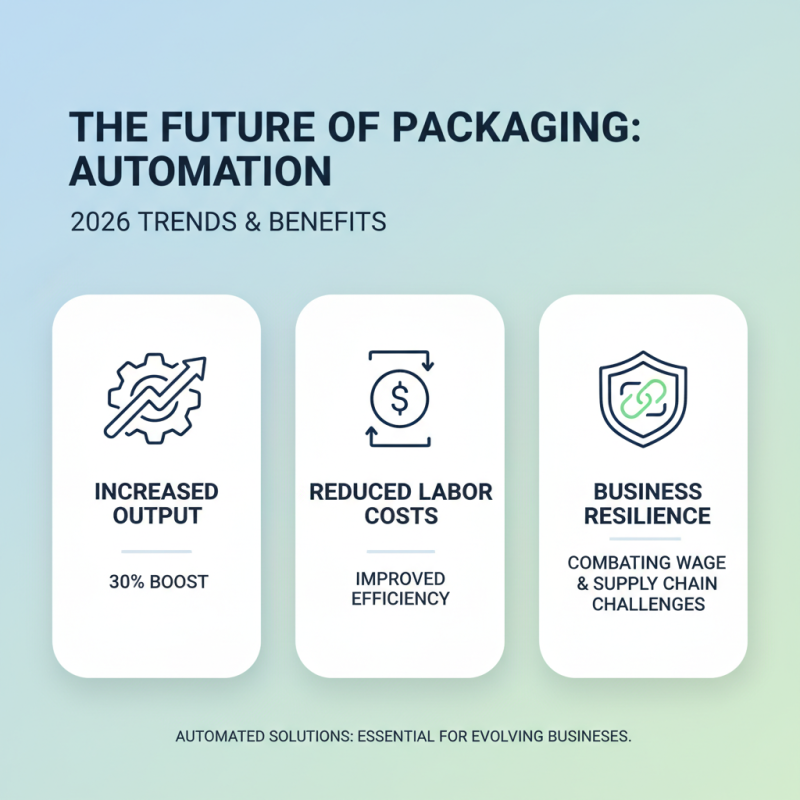
As businesses evolve, automated packaging solutions are becoming essential. In 2026, the trend towards automation is shifting significantly. Industry reports state that automated packaging can increase output by 30%, reducing labor costs and improving efficiency. This is crucial for companies facing rising wage pressures and supply chain challenges.
However, it's not all seamless. Transitioning to automated systems can involve high initial investments. According to a recent study, nearly 40% of companies faced integration issues with existing processes. This highlights the need for careful planning and evaluation before adopting new technologies. Companies must also consider the training required for staff to operate these systems effectively.
Efficiency doesn’t come without challenges. Some packaging machines may not handle specific products well, leading to increased waste. A report found that up to 25% of automated packaging processes can struggle with fragile items. Businesses need to evaluate their products and processes carefully to ensure the chosen solution meets their specific needs. Balancing investment against potential setbacks is key in this evolving landscape.
Key Features of the Best Automated Packaging Systems
When choosing automated packaging systems, several key features stand out. Efficiency is crucial. Look for machines that can operate at high speeds while maintaining accuracy. This balance is essential for streamlining your production line. Speed without precision can lead to increased waste. It's a fine line between effective packaging and costly errors.
Another important feature is versatility. The best systems can handle various package sizes and materials. This adaptability allows businesses to respond to changing market demands. However, systems that claim to do it all may lack specialization. It's worth evaluating whether a one-size-fits-all solution truly meets your specific needs.
Integration capabilities should also be considered. The right system should fit seamlessly into your existing workflow. Complicated setups can hinder productivity. If a machine requires extensive training, it could lead to delays. Find options that offer user-friendly interfaces and straightforward installation. This simplicity can make a significant difference in your daily operations.
Top Industries Benefiting from Automated Packaging
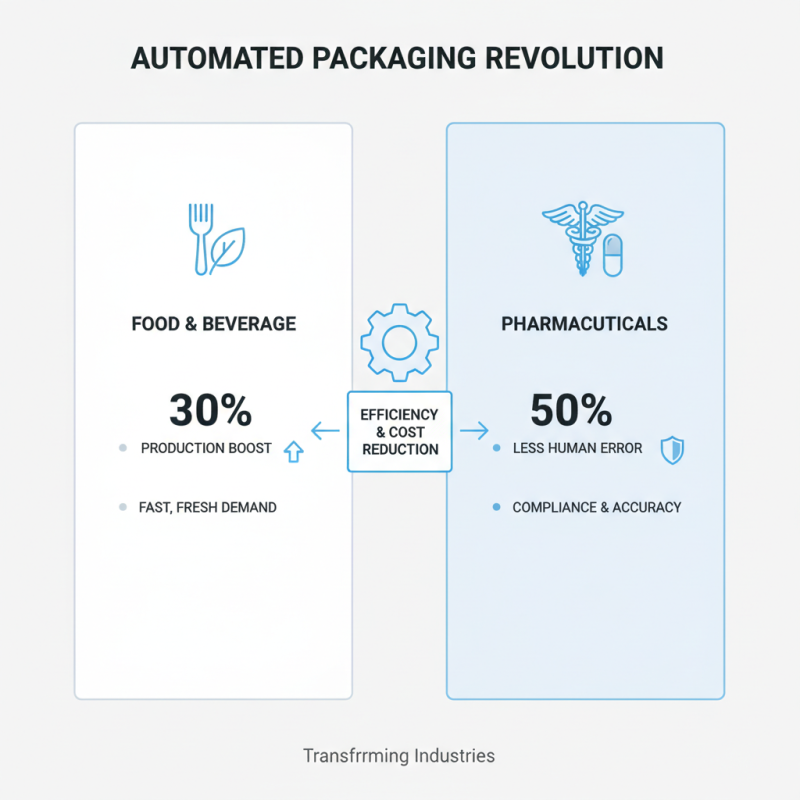
Automated packaging is transforming several industries, driving efficiency and reducing costs. In the food and beverage sector, packaging machinery can enhance production by up to 30%. This is critical as demand for fast, fresh products rises. Likewise, the pharmaceutical industry benefits from automation with compliance and accuracy. Reports indicate that automated systems lower the risk of human errors by over 50%.
E-commerce is another area experiencing significant growth thanks to automated solutions. With the online retail market projected to reach $6.3 trillion by 2024, streamlined packaging processes are essential. Speed is key, but so is sustainability. Automated systems can reduce waste through precision. Many companies still grapple with balancing speed and eco-friendly practices, which requires ongoing reflection.
The consumer goods industry also sees advantages. Studies show that companies using automated packaging increase their output by 20% while improving product safety. There are challenges, however. Not every company can afford the initial investment. Some must weigh immediate costs against future gains. It is a decision requiring careful consideration and strategic planning.
Comparative Analysis of Leading Automated Packaging Technologies
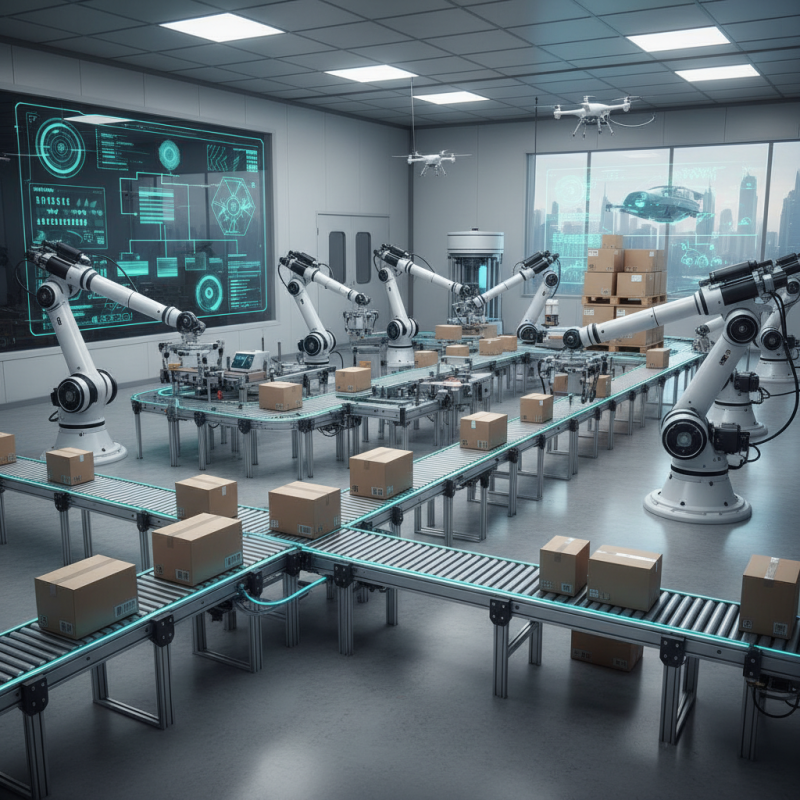
Automated packaging technologies are reshaping the landscape of various industries. Businesses are keen to enhance efficiency and reduce labor costs. Advanced solutions like robotic arms and conveyor systems offer significant benefits. These systems automate repetitive tasks, saving time and minimizing errors. High-speed machines can package products faster than human workers. However, the initial investment can be substantial.
Tips: Assess your current packaging process. Identify bottlenecks or areas for improvement. This reflection helps in choosing the right technology.
When comparing automated systems, consider factors like scalability and maintenance. Some machines may require regular servicing. Also, it's crucial to evaluate your product types. Not all machines are suited for every product. Flexibility in packaging options can impact your choice.
Tips: Explore demo opportunities with potential vendors. Getting hands-on experience can clarify your specific needs. Include your team in testing to gather diverse insights.
Future Trends Shaping Automated Packaging Solutions
In the evolving world of packaging, automation is becoming a game changer. Businesses are increasingly adopting smart technologies to enhance efficiency. Robotics play a significant role. They can operate 24/7, reducing labor costs and increasing output. This shift saves time but can lead to challenges. Companies must manage the balance between technology and human oversight.
Sustainability trends are also shaping automated packaging solutions. Eco-friendly materials are gaining traction. Automated systems are designed to minimize waste. However, some businesses struggle to integrate sustainable practices into their processes. Adapting to new materials can require a learning curve. Furthermore, packaging waste is still a major issue.
Customization is another rising trend. Businesses want to tailor their packaging for unique customer needs. Advanced automation allows for smaller batch production. Yet, the complexity in managing these customizations can overwhelm some organizations. They need to rethink their supply chains. Proper implementation of automation can yield great benefits but requires careful planning and consideration.
Future Trends in Automated Packaging Solutions (2026)
This chart illustrates the projected importance of various trends in automated packaging solutions for 2026. Sustainability and automation are expected to be the leading priorities for businesses looking to enhance their packaging strategies.