2026 Top Trends in All Packaging Solutions for Sustainable Business?
In the evolving landscape of sustainability, the all packaging industry faces crucial challenges. Experts like Dr. Sarah Tan, a leading figure in sustainable packaging solutions, emphasize the urgency of innovation. She stated, "Sustainable practices are no longer optional; they are a necessity in all packaging."
As businesses shift towards eco-friendliness, understanding current trends becomes vital. Packaging plays a significant role in product appeal. Consumers now prefer brands committed to sustainability. This change forces companies to rethink their strategies. The need for biodegradable materials and recyclable options grows louder.
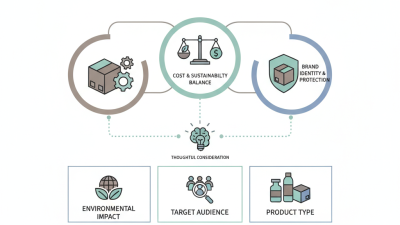
Yet, it’s not just about adopting green solutions. Companies must carefully analyze their entire supply chain. Many rush to implement new technologies without proper evaluation. Such impulsive actions can lead to inefficiencies. Addressing these mistakes requires reflection and a commitment to improvement. Balancing sustainability with practicality is a delicate task for all packaging sectors.

2026 Trends in Sustainable Packaging Solutions: An Overview
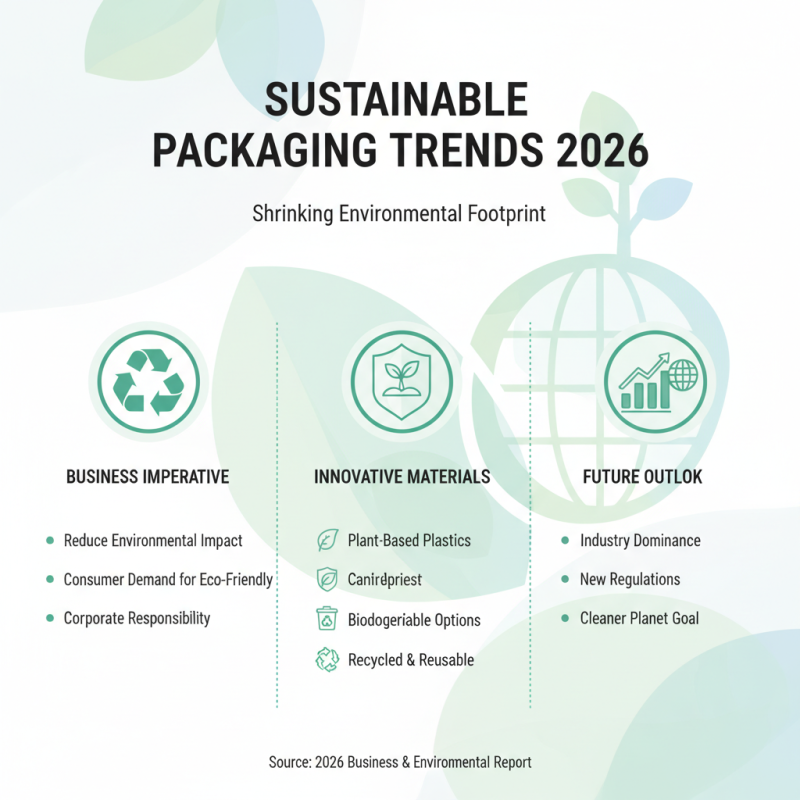
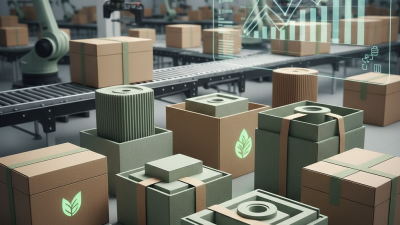
As we look towards 2026, sustainable packaging solutions will dominate discussions in the business world. Companies are under pressure to reduce their environmental footprint. This trend reflects a growing awareness of climate issues. Innovative materials, such as plant-based plastics and biodegradable options, are emerging. Many businesses are exploring these alternatives, eager to replace traditional packaging methods that harm the environment.
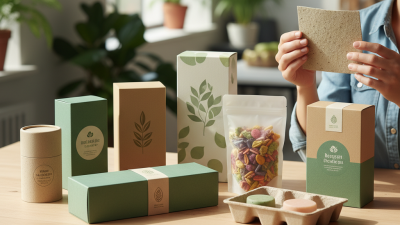
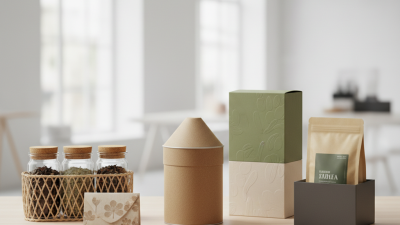
One noticeable shift is the use of minimalistic designs. Simple packaging not only cuts waste but also appeals to eco-conscious consumers. However, some brands struggle with balancing aesthetics and functionality. The challenge lies in creating attractive packages that are also sustainable. Embracing transparency in sourcing materials can be a potential solution.
Consumer demand for sustainable options will likely grow. Many expect brands to reflect their values. Yet, there are hurdles to overcome. Not all materials are easily recyclable or biodegradable. Companies must invest in research and development. Committing to education about sustainability can also help navigate this complex landscape. It’s a journey that requires both action and introspection.
Revolutionizing Packaging: The Role of Smart Technologies in 2026
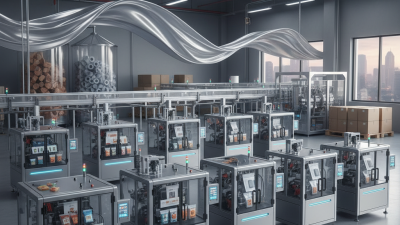
The packaging industry is undergoing a radical transformation. Smart technologies are at the forefront of this revolution. In 2026, innovative solutions will reshape how products are packaged and delivered. From augmented reality to IoT sensors, the potential is immense. These technologies not only enhance user experience but also streamline operations.
Consider the impact of smart packaging on sustainability. For instance, packaging with QR codes can provide customers with product information, reducing waste. This reduces the need for excessive paper materials. It's a practical shift towards eco-friendliness. However, challenges remain. Not all consumers are familiar with these technologies. Education and accessibility are key.
**Tips:**
- Explore eco-friendly materials for packaging.
- Invest in training for your team on new technologies.
- Gather customer feedback to improve packaging designs.
Navigating this change requires reflection. Are the technologies truly beneficial? It’s important to question if the solutions are practical for all business scales. While the excitement is palpable, some firms may struggle to adapt. Balancing innovation with practicality is essential for real impact.
Consumer Preferences: Shifts Toward Eco-Friendly Packaging Solutions
Consumer preferences are shifting dramatically towards eco-friendly packaging. A recent report highlights that 72% of consumers prefer products with sustainable packaging. This trend is not just a passing phase. Brands that prioritize green packaging are likely to see increased consumer loyalty and trust.
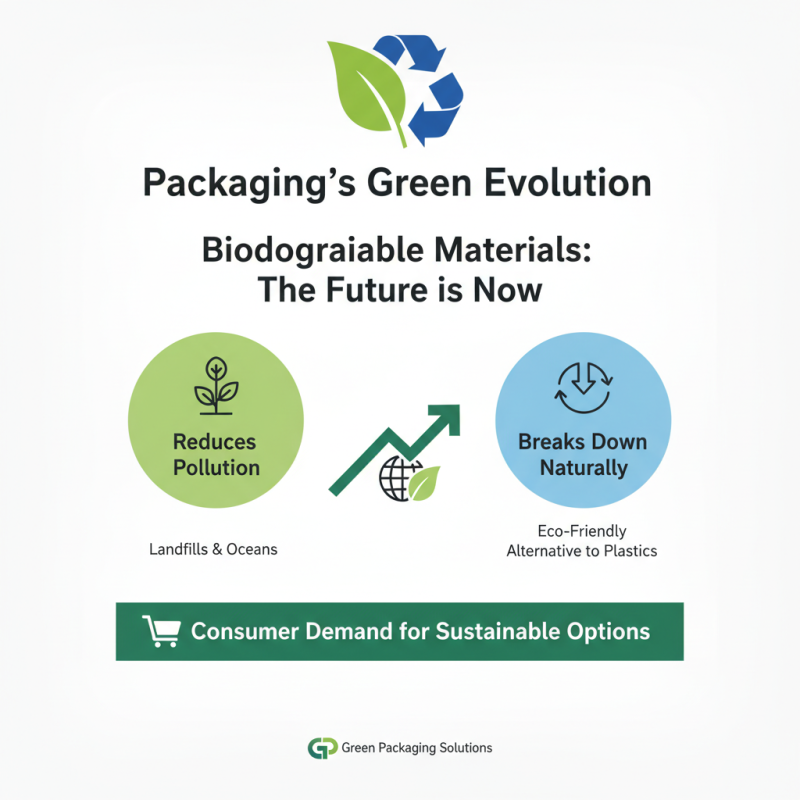
The demand for biodegradable materials is rising, and many companies are investing in these solutions. Studies indicate that 40% of consumers are willing to pay more for sustainable options. However, not all brands can easily transition. The cost of eco-friendly materials can be higher, causing some businesses to hesitate. This reflects a necessary discussion about balancing affordability and sustainability.
Additionally, while consumers express a strong desire for eco-friendly options, there remains a gap in awareness. Only 34% of consumers fully understand the meaning of sustainable packaging. This indicates that brands must educate their customers. Clear communication about packaging sustainability is essential. As consumers become more informed, they will likely demand more transparency.
2026 Top Trends in Eco-Friendly Packaging Solutions
This chart illustrates the growing consumer preference for various eco-friendly packaging solutions projected for 2026.
The Future of Recycling: Innovations in Circular Economy for Packaging
The future of recycling in the packaging sector is evolving rapidly. Innovations in the circular economy are at the forefront. According to the Ellen MacArthur Foundation, only 14% of plastic packaging is collected for recycling globally. This alarming statistic highlights the need for better systems. Companies are exploring new materials that are easier to recycle. Innovations in biodegradable plastics aim to reduce waste.
Research shows that sustainable packaging can lead to a 30% increase in consumer preference. This shift is forcing brands to rethink their strategies. There’s ongoing experimentation with compostable materials. Unfortunately, many of these solutions lack sufficient infrastructure for proper processing. Also, the recyclability of materials varies widely. Many consumers are confused about what can truly be recycled.
Businesses are investing in technologies for better sorting and processing. Systems that enhance recycling rates must be prioritized. This is crucial to closing the loop. Yet, the challenge remains: achieving widespread acceptance of these changes. Engagement with consumers is essential. Without education, many initiatives may fall short. The current state requires reflection and commitment to sustainability.
2026 Top Trends in All Packaging Solutions for Sustainable Business
| Trend |
Description |
Impact on Sustainability |
Implementation Year |
| Biodegradable Materials |
Use of materials that break down naturally, reducing landfill waste. |
Significantly decreases environmental footprint. |
2026 |
| Reusable Packaging |
Development of containers that can be used multiple times. |
Reduces single-use plastics. |
2025 |
| Smart Packaging |
Integration of technology for tracking and monitoring. |
Enhances recycling efficiency and reduces waste. |
2024 |
| Minimalist Packaging |
Focus on reducing excess packaging materials. |
Lowers resource consumption and waste production. |
2026 |
| Upcycled Materials |
Reusing materials from waste to create new packaging. |
Reduces dependency on virgin materials. |
2025 |