Best Packaging Supplies for 2026 What to Choose?
As we approach 2026, the demand for innovative packaging supplies continues to rise. Experts emphasize the importance of choosing the right materials. John Smith, a renowned packaging supplies specialist, once noted, "Effective packaging can make or break a product's success." This insight is crucial for businesses looking to enhance their brand.
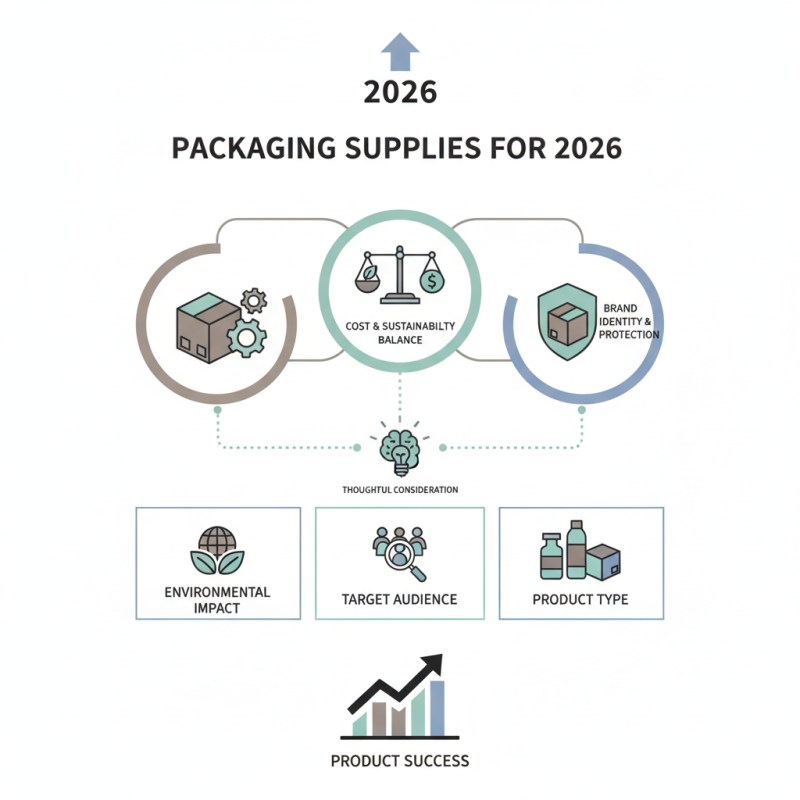
There are various factors to consider when selecting packaging supplies. The type of product, target audience, and environmental impact should all play a role. Sustainable options are becoming increasingly popular, yet many companies still hesitate to transition. This choice often reflects a need for deeper reflection on their ecological responsibilities.
Quality packaging supplies protect products and convey brand values. However, businesses sometimes overlook this aspect. For instance, using generic materials may save costs but can harm brand identity. Finding the right balance between cost-effectiveness and quality is essential. Each decision carries weight, fostering the need for thoughtful consideration in the packaging landscape of 2026.
Essential Features of Packaging Supplies for 2026
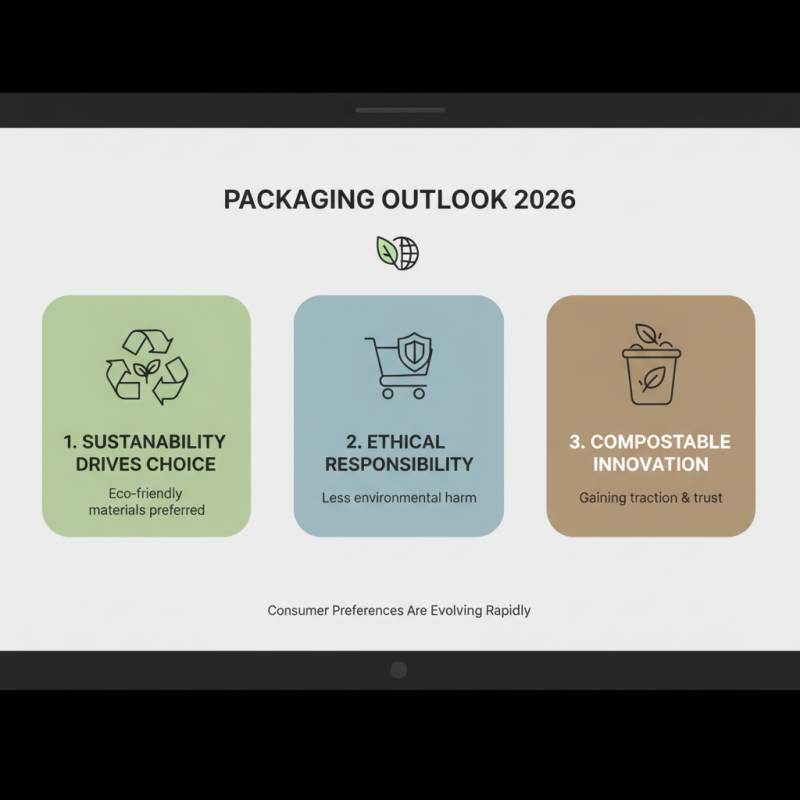
When selecting packaging supplies for 2026, it's vital to focus on essential features. First, consider sustainability. Eco-friendly materials are becoming increasingly popular. Consumers prefer packaging that minimizes environmental impact. Options like biodegradable plastics or recycled paper can make a difference.
Functionality is another key aspect. Packaging should protect products during transit. Durability is crucial, especially for fragile items. Enhanced sealing technologies can prevent leaks and damage. Think about space efficiency as well. Compact designs save on shipping costs and storage.
Aesthetic appeal cannot be overlooked. Attractive packaging captures attention. It should reflect your brand’s identity. However, be careful not to prioritize looks over practicality. Sometimes, striking designs can hinder functionality. Striking a balance is essential. Consider these aspects carefully, as they influence customer satisfaction and overall success.
Popular Materials for Sustainable Packaging Solutions
Sustainable packaging solutions are gaining momentum as we approach 2026. Companies are increasingly seeking materials that minimize environmental impact. Biodegradable plastics, for instance, are a popular choice. They break down more easily than traditional plastics, reducing pollution.
Another notable option is recycled paper. It’s widely used for boxes and wrapping. This material not only reduces waste but also promotes a circular economy. However, some question its durability compared to virgin paper. Innovation in techniques is necessary to improve its strength while keeping it eco-friendly.
Mushroom-based packaging is an intriguing alternative. Made from agricultural waste, it’s compostable and strong. Yet, its production can be costly, which is a challenge for some businesses. Additionally, consumer awareness of these materials is still growing. Many people are not yet familiar with them. So, education on their benefits remains essential for wider adoption.
Innovative Technologies Shaping Packaging Supplies in 2026
As we approach 2026, innovative technologies are transforming packaging supplies. Automation is becoming prevalent. Many companies are adopting automated packaging lines to enhance efficiency. This reduces labor costs and shortens production time. Smart packaging solutions are also on the rise. These include QR codes and sensors that provide real-time data about products.
Tips: Consider integrating smart labels if you want to improve customer engagement. They offer more than just information; they create an interactive experience.
Another noteworthy trend is sustainable packaging materials. Biodegradable plastics and recycled paper are gaining traction. Brands are exploring materials that minimize environmental impact. Yet, finding the right balance between functionality and sustainability can be challenging. Some eco-friendly options may not provide the desired durability.
Tips: Always test new materials. They might underperform compared to traditional options, requiring adjustments in your overall strategy. Experimentation will help in making informed choices.
Lastly, customization in packaging is evolving. Advanced printing technologies allow for quick changes in design. Consumers appreciate unique and personalized packaging. However, this can lead to complexities in inventory management. Reflect on how to streamline this process effectively.
Best Packaging Supplies for 2026
| Packaging Type |
Material |
Sustainability Rating |
Cost ($) |
Innovative Feature |
| Eco-friendly Boxes |
Recycled Cardboard |
High |
1.50 |
Biodegradable Coating |
| Reusable Bags |
Bamboo Fiber |
Very High |
2.30 |
Antimicrobial Properties |
| Smart Containers |
Plastic Composite |
Medium |
5.00 |
Temperature Control |
| Sustainable Tape |
Paper |
High |
0.75 |
Water Soluble Adhesive |
| Compostable Film |
PLA (Polylactic Acid) |
Very High |
3.00 |
Clear Visibility |
Cost-Effective Packaging Options for Small Businesses
Choosing cost-effective packaging options is crucial for small businesses in 2026. Many small businesses struggle with packaging expenses. Yet, there are ways to save money without compromising quality.
Recyclable materials are a great choice. They are often cheaper and appeal to eco-conscious customers. Consider using biodegradable packing peanuts instead of bubble wrap. They are lightweight and save on shipping costs.
Avoid oversizing your packaging. It increases material use and shipping fees. Use precise measurements to minimize waste. Also, invest in simple designs. Complicated packaging may look attractive but can be costly.
Tips: Get creative with reusing materials. Old newspapers can make great fillers. Partner with local shops for packaging materials. It can reduce your costs while building community ties. Always evaluate your choices. Sometimes, less expensive options might exceed expectations. Keep looking for better alternatives.