2026 Best Packer Machine Options for Global Buyers?
The global market for packer machines is evolving rapidly, presenting various options for buyers. Experts suggest that understanding these machines is crucial for success. John O'Sullivan, a leading authority in packaging technology, emphasizes, "Choosing the right packer machine can make or break production efficiency." His insight resonates with industry leaders navigating this landscape.
Packer machines are essential for various industries, including food, pharmaceuticals, and consumer goods. Each sector demands specific features, like speed, durability, and versatility. Buyers must consider their unique needs before investing. However, selecting the ideal machine often requires thorough research. Many buyers face challenges in identifying the best fit.
Cost is another critical factor. Some packer machines offer advanced technology but come at a premium price. Others are more affordable yet may lack certain features. Balancing budget constraints with performance is a common dilemma. Each option presents pros and cons, prompting reflection on long-term goals. Ultimately, the right choice is not merely about the machine itself but how it aligns with a buyer's operational strategy.
Overview of Packer Machines in 2026
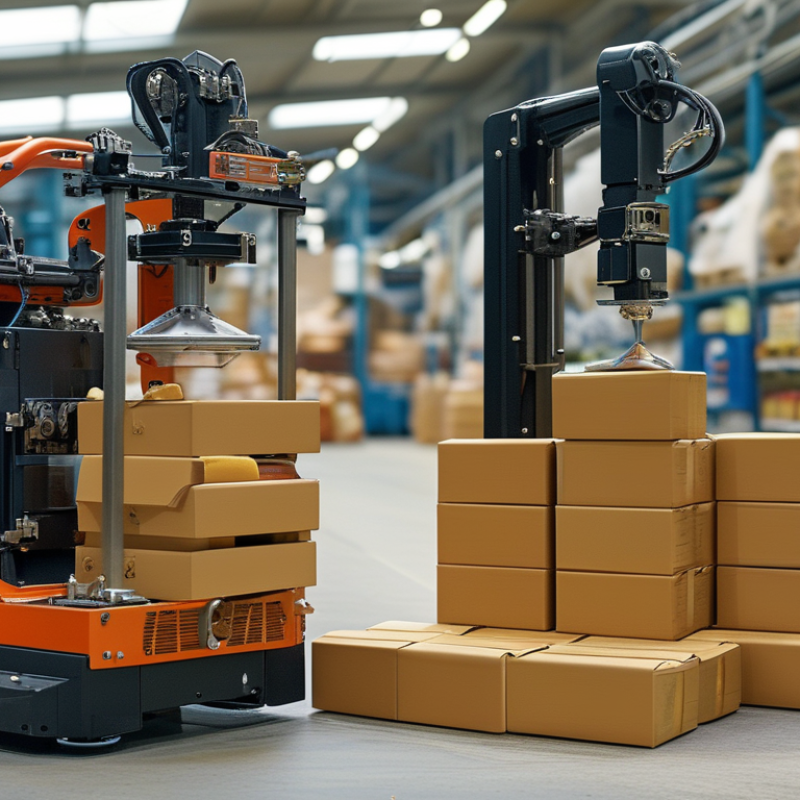
As we move toward 2026, the landscape of packer machines is evolving significantly. These machines are crucial for various industries, packaging everything from food to pharmaceuticals. In this fast-paced environment, buyers must consider automation, efficiency, and adaptability. Many machines now feature integrated technology for real-time monitoring. This design helps operators maintain quality and speed, which can enhance production lines.
Efficiency is not just about speed; it's about precision. Companies are seeking machines that can handle diverse products with minimal adjustments. This flexibility often leads to challenges in finding the right balance. A poorly chosen machine can slow down operations, leading to lost profits. Additionally, there is a need for machines with robust support systems. The ability to troubleshoot issues quickly can make or break production continuity.
Buyers should be mindful of their specific needs and market trends. New innovations are emerging but may not suit every production line. Investing in equipment without careful analysis can result in wasted resources. Although some features may seem beneficial, they might not align with operational goals. By focusing on these aspects, buyers can make informed choices that enhance productivity and reliability.
Key Features to Consider When Selecting Packer Machines
When selecting packer machines for your operations, several key features warrant consideration. The speed of the machine is critical. An average packer can achieve speeds ranging from 20 to 100 packs per minute, depending on the type of product. According to a 2022 industry report, companies using faster machines have seen productivity increases of up to 30%.
Another essential aspect is the machine’s versatility. Many modern packer machines cater to various packaging types, from bags to boxes. This flexibility allows businesses to adapt to market changes, increasing their competitiveness. However, it’s important to evaluate how frequently your product lines change. Machines that are too specialized might not provide a good return on investment.
Maintaining and operating the machine is also vital for long-term success. User-friendly machines reduce training time and minimize errors. Research indicates that ease of operation leads to a decrease in maintenance issues and overall downtime.
Consider the material the machine is made from and its durability. Stainless steel is often the preferred choice due to its resistance to corrosion. Inferior materials may lead to frequent replacements, wasting time and resources.
Efficiency is key. Regularly assess the machine’s performance metrics against industry standards. This reflection can highlight areas needing improvement and optimize production processes. Keeping an eye on these features can help you make informed, strategic choices in an increasingly competitive market.
Top Packer Machine Brands for Global Buyers
In the world of packing machinery, selecting the right brand is crucial for efficiency. Global buyers seek dependable machines tailored to their needs. Factors like speed, durability, and ease of use heavily influence this decision. Updated technology can enhance performance, but not all brands prioritize innovation.
Many brands offer specialized solutions for diverse industries. Choosing one requires a careful assessment of their features. Some machines excel in speed, while others may focus on precision. It's vital to evaluate performance metrics thoroughly. Potential buyers might even find discrepancies in machine output under different conditions. This variation highlights the importance of real-world testing.
Reliability is often context-dependent. A well-known brand may not always provide the best service in specific regions. Customer support plays a role in long-term satisfaction. A machine might come with features but lack necessary after-sales service. Buyers need to balance performance with ongoing support. In the competitive landscape, making informed decisions is crucial for success.
Cost Analysis of Packer Machines for Different Industries
When assessing packer machine costs across various industries, several factors come into play. The material being packaged greatly influences the price. For example, food-grade machines typically have higher standards and additional features, which can drive costs up. Conversely, machinery for less regulated industries may present a more affordable option.
Another aspect to consider is the machine’s efficiency. High-speed packer machines can seem expensive initially, but they significantly reduce labor costs and increase throughput. This leads to savings in the long run. However, investments in such machines require careful analysis. Buyers should evaluate how quickly the machinery can pay for itself.
Maintenance and operational costs are also vital in this analysis. Some machines require specialized training and regular servicing, which adds to the overall expense. It's important for buyers to not only focus on initial purchase costs but also on these ongoing requirements. While certain machines may have lower upfront costs, they can lead to higher operational expenditures down the line. This necessitates a thoughtful approach to purchasing decisions.
2026 Best Packer Machine Options for Global Buyers
| Industry |
Machine Type |
Cost (USD) |
Output (units/hour) |
Features |
| Food & Beverage |
Automatic Carton Packer |
$25,000 |
120 |
Versatile, easy changeover |
| Pharmaceutical |
Robotic Packer |
$40,000 |
200 |
High precision, lowers contamination risk |
| Cosmetics |
Semi-Automatic Packer |
$15,000 |
80 |
Compact, cost-effective |
| Electronics |
Customizable Packer |
$60,000 |
150 |
Adaptable to various product sizes |
| Chemical |
Bulk Packer |
$35,000 |
100 |
Durable, high output for granular products |
Future Trends in Packer Machine Technology and Design
In recent years, advancements in packer machine technology have changed the landscape of packaging. Smart automation now plays a significant role in boosting efficiency. These machines can adapt to various product sizes and types, allowing for greater flexibility in production. However, the rapid evolution brings challenges. Manufacturers must continuously update their systems to meet the latest standards.
Sustainability is becoming a focal point in packer machine design. Eco-friendly materials and energy-efficient operations are gaining importance. Companies are seeking ways to reduce waste and emissions while maintaining productivity. Yet, some machines still rely heavily on non-renewable resources. This inconsistency raises questions about long-term viability.
The integration of data analytics and IoT capabilities is also on the rise. Such technology allows for real-time monitoring and predictive maintenance. It can improve performance but requires a skilled workforce to interpret data effectively. The gap in expertise needs attention. As packer machine technology evolves, the industry must balance innovation with reliable, knowledgeable personnel.