Why Choose a Batching Concrete Plant for Your Projects?
In today's construction landscape, a Batching Concrete Plant is essential. Experts emphasize its role in enhancing project efficiency. John Smith, a leading figure in concrete technology, once stated, "Investing in a Batching Concrete Plant is investing in your project's future." This highlights the increasing reliance on such facilities.
A Batching Concrete Plant offers precise control over mix ratios. This precision leads to stronger and more durable concrete. Furthermore, it enhances consistency across batches, ensuring high-quality output. Without this technology, achieving uniformity can be challenging, especially on large projects.
Additionally, a Batching Concrete Plant can reduce waste significantly. It minimizes unnecessary materials and promotes better resource management. However, many contractors still overlook the advantages. They may underestimate the potential benefits, truly reflecting on their limitations in future projects. Embracing this technology is not just about modernizing; it's about setting a standard for quality.
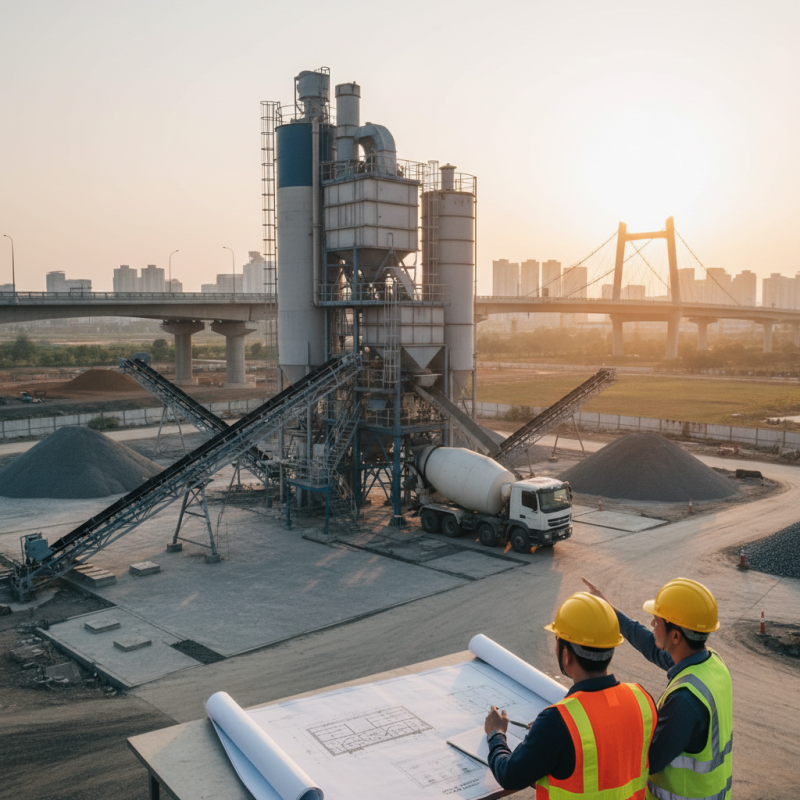
Advantages of Batching Concrete Plants Over Traditional Methods
Batching concrete plants offer several advantages over traditional methods. One of the main benefits is consistency. Automated systems ensure each mix has the same proportions. This leads to higher-quality concrete and fewer errors on-site. Traditional mixing can often vary based on manual inputs or incorrect measurements.
Another critical advantage is efficiency. Batching plants can produce concrete much faster than manual methods. This speed can drastically reduce project timelines. Workers can focus on other essential tasks while the concrete is mixed. Planning is easier since delivery times are predictable.
Tips: Always test batches before large pours. This practice helps ensure the mix meets specifications. Keep records of each mix for future reference. It’s crucial to learn from any discrepancies in quality. Regular maintenance of the batching plant is also vital. Machinery can have operational failures, which can delay projects significantly. Stay proactive to avoid these issues.
Key Features of Batching Concrete Plants to Enhance Efficiency
Batching concrete plants are essential for modern construction projects, offering efficiency and precision. These plants allow contractors to mix concrete in exact ratios, reducing waste and ensuring consistent quality. According to industry reports, precise batching can lead to a 15-20% reduction in material costs. This highlights the financial advantages of investing in such technology.
Key features of batching concrete plants significantly enhance operational efficiency. Automation systems ensure uniform mixing and minimize human error. Real-time data monitoring allows for adjustments during production, optimizing the process. Additionally, advanced plants can accommodate diverse concrete mixes, providing versatility for various project needs. A study indicates that plants with these features can increase output by up to 30%.
Despite these benefits, challenges remain. Sensor malfunctions can disrupt production. Regular maintenance is essential yet often overlooked. Furthermore, not all projects require high-level automation. A thorough assessment can help determine if a batching plant is suitable for specific needs. Balancing efficiency and practicality is crucial for successful project execution.
How Batching Concrete Plants Ensure Consistent Quality in Production
Batching concrete plants play a crucial role in ensuring consistent quality in production. These facilities provide controlled environments where raw materials are measured precisely. The process reduces variability in concrete mixes, leading to higher strength and durability. Each batch is uniform, allowing for harmonious construction.
When selecting a batching concrete plant, consider its capacity and features. Evaluate whether it meets your project demands. Consistency can be impacted by factors like temperature and humidity. Monitor these conditions regularly. A minor fluctuation can alter the concrete's properties.
Tip: Always review your supplier's quality control processes. Ensure they adhere to industry standards. This step can enhance your project's reliability. Regularly inspect your batching equipment for maintenance needs. Even small issues can lead to inconsistencies in your mixes. Keep an eye on your aggregate stockpiles. Degradation can affect the overall quality.
Cost-Effectiveness of Using Batching Concrete Plants for Large Projects
A batching concrete plant is a wise choice for large projects. It offers significant cost-effectiveness, especially for massive builds like roads and bridges. According to industry reports, using a batching plant can reduce concrete production costs by up to 20%. This is primarily due to streamlined processes and bulk purchasing of materials.
Proper planning is essential. The initial investment in a batching plant may seem high. However, consider the long-term savings. Efficient mixing reduces waste. This efficiency translates to lower labor costs as well. Large-scale projects benefit from consistent quality, minimizing the risk of costly rework.
Tip: Regular maintenance of the batching plant enhances longevity and reliability. Set a schedule for inspections. Another tip is to compare local suppliers' prices for materials. This can lead to further cost reductions. Remember, small adjustments can yield great savings down the road. Additionally, analyze the project timeline to ensure maximum efficiency in your operations.
Environmental Benefits of Batching Concrete Plants in Construction
Batching concrete plants are gaining attention for their environmental advantages in construction. One significant benefit lies in waste reduction. According to a report by the Federal Highway Administration, batch plants can minimize material waste by up to 30%. This efficiency comes from precise measurements and controlled mixing processes. Such consistency helps avoid over-ordering materials, which often end up discarded.
Energy consumption is another critical factor. Studies from the Concrete Sustainability Hub indicate that centralized batching reduces energy use by about 15% compared to traditional methods. In large-scale projects, even slight reductions can lead to substantial energy savings. The plants utilize advanced technology to optimize energy usage, which often goes unnoticed.
However, there are challenges. Not all batching plants are designed with the environment in mind. Without appropriate regulations, some may still emit pollutants. This inconsistency highlights the need for stringent standards. As the industry evolves, enhancing regulations can ensure that the benefits of batching plants are fully realized. Investing in greener technologies is essential for sustainable growth in construction.
