Essential Tips for Sustainable Food Packaging Today?
In today's environmentally conscious world, sustainable food packaging has become essential. Consumers are more aware of their choices and the impact of plastic waste. Impressively, food packaging plays a key role in reducing waste. However, many packaging solutions still contribute to pollution.
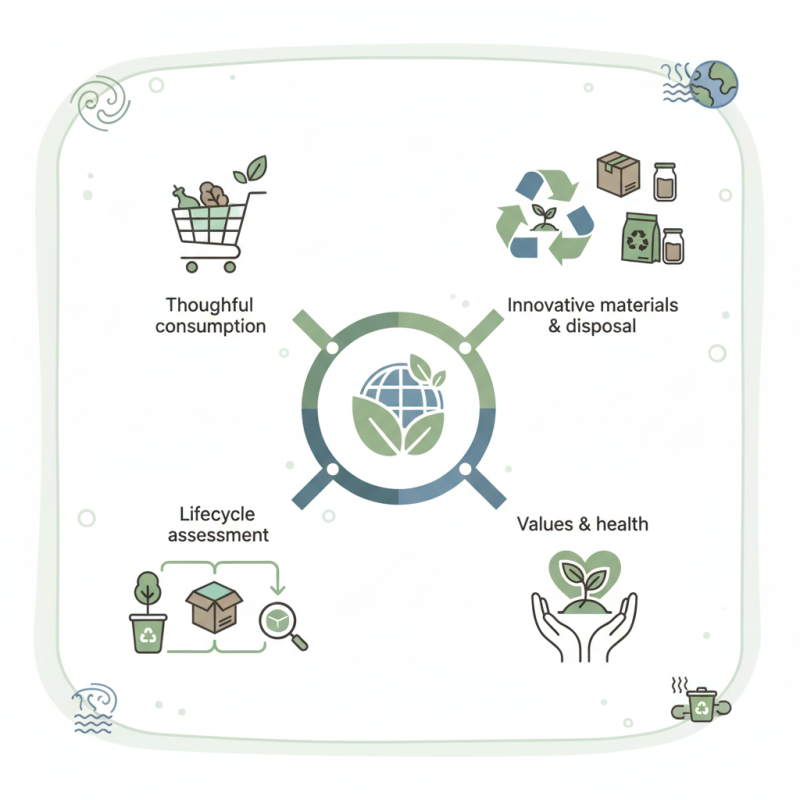
Innovative materials are emerging, but challenges remain. Biodegradable options are popular, yet not all are effective. Selecting the right food packaging can be overwhelming. It requires research and reflection on the lifecycle and disposal methods of materials.
As we strive for sustainability, it’s vital to consider our habits. Are we buying more than we need? Thoughtful choices in food packaging matter. They influence not just our environment but also our health. We must ask ourselves: do our packaging choices align with our values?
Understanding Sustainable Food Packaging: Definitions and Importance
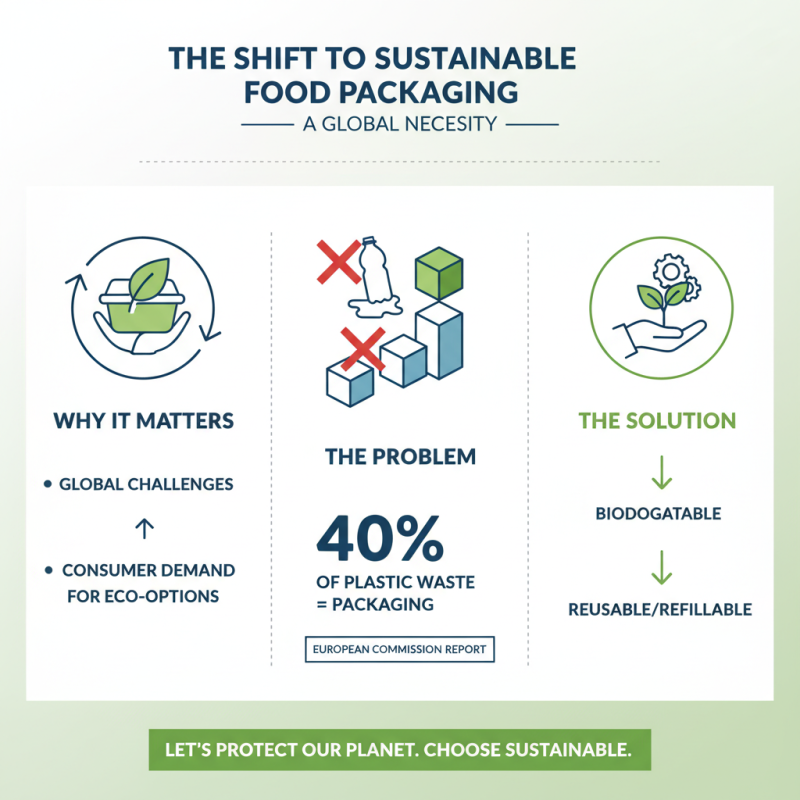
Sustainable food packaging is gaining traction. It's crucial as we face global challenges. According to a report by the European Commission, nearly 40% of plastic waste comes from packaging. This is alarming. Consumers are increasingly aware of the environmental impact. They demand better options.
Understanding sustainable food packaging begins with definitions. It involves materials that minimize negative impacts. Biodegradable films, compostable containers, and recyclable packaging play essential roles. A study from Smithers Pira suggests that the demand for sustainable packaging could rise to $500 billion by 2024. This is significant for brands seeking a competitive edge.
However, challenges remain. Not all biodegradable materials break down in landfills. Many consumers are confused about recycling symbols. This confusion can lead to improper recycling practices. Moreover, some sustainable options still require more resources for production. Continuous improvement in packaging technologies is vital. Use of renewable resources and innovative designs must be prioritized. Sustainable choices should not only be trendy, but also practical for everyday use.
Types of Sustainable Materials Used in Food Packaging
Sustainable food packaging is gaining traction as consumers prioritize environmentally friendly options. Numerous materials are now emerging as alternatives to traditional plastics. Bioplastics, made from renewable resources like corn starch, have become popular. They decompose naturally, but some bioplastics still require specific conditions for complete breakdown.
Paper and cardboard are also key players. They are recyclable and biodegradable. However, they must come from sustainably managed forests. A report by the Sustainable Packaging Coalition states that paper packaging can cut greenhouse gas emissions by over 70% compared to plastics. This data emphasizes a growing need for eco-friendly choices.
Another exciting option is plant-based films. These materials are compostable and help reduce landfill waste. Switching to these alternatives isn't without challenges. Sourcing these materials can sometimes be costlier. Smaller businesses may struggle with these higher prices.
Tips: Embrace bulk buying to cut down on packaging waste. Seek out local suppliers who use sustainable materials. This not only supports the environment but also strengthens community connections. Adopting sustainable packaging has its difficulties, but progress is essential for a healthier planet.
Benefits of Eco-Friendly Packaging for Consumers and Businesses
Eco-friendly packaging offers numerous benefits for both consumers and businesses. For consumers, sustainable packaging often means healthier products. When packaging is made from natural materials, it's less likely to contain harmful chemicals that can leach into food. This transparency builds trust between consumers and brands. Additionally, eco-friendly options often lead to lower carbon footprints, which appeal to environmentally conscious shoppers.
Businesses also gain from adopting sustainable packaging. It can enhance brand image and attract eco-aware customers. Studies show that many consumers prefer brands focused on sustainability. This shift can lead to increased customer loyalty. Using biodegradable materials can reduce waste, leading to a more sustainable operation.
For those seeking to implement sustainable packaging, there are a few tips to consider. Start small by assessing current packaging materials. Explore biodegradable alternatives and make gradual changes. Collaborate with suppliers who prioritize eco-friendly practices. Additionally, educate customers about the benefits of sustainable packaging, creating an informed community around your brand. These efforts can be challenging but rewarding in the long run.
Essential Tips for Sustainable Food Packaging Today
| Dimension |
Description |
Benefits for Consumers |
Benefits for Businesses |
| Material Type |
Use biodegradable or recyclable materials |
Reduces impact on landfills |
Boosts brand image and customer loyalty |
| Design |
Minimalistic and functional |
Easier to handle and store |
Cost-effective in shipping and storage |
| Source Transparency |
Information about sourcing and production |
Increases trust and transparency |
Attracts eco-conscious consumers |
| End-of-Life Options |
Clear disposal or recycling instructions |
Empowers consumers to make sustainable choices |
Facilitates compliance with regulations |
| Carbon Footprint |
Low-impact production processes |
Appeals to environmentally conscious buyers |
May reduce costs in the long run |
Best Practices for Implementing Sustainable Packaging Solutions
Sustainable packaging is crucial in reducing environmental impact. According to a recent report by the World Economic Forum, plastic packaging alone accounts for over 50% of the world's plastic waste. Companies need to prioritize eco-friendly materials. This shift not only benefits the planet but also appeals to conscious consumers.
Tip: Use biodegradable materials whenever possible. Consider options like plant-based plastics. These materials break down more easily than traditional plastics.
Implementing circular design is another key practice. Products should be designed for reuse or recycling. A report by McKinsey highlights that closed-loop systems can reduce waste by up to 80%. This approach not only minimizes landfill waste but also conserves resources.
Tip: Educate your team about sustainable practices. Training helps ensure everyone understands the value of eco-friendly alternatives. Reflection on existing practices is essential for improvement. Companies should assess their packaging regularly. What changes can make a difference? Keep pushing for better solutions.
Current Innovations and Future Trends in Food Packaging Sustainability
Sustainable food packaging is evolving rapidly. Innovations are transforming how we package food while minimizing waste. Biodegradable films and compostable materials are gaining traction. These materials break down naturally, but they need the right conditions. Not all compostable products decompose effectively in conventional settings. This creates a challenge for consumers and waste management systems.
New technologies are emerging, such as edible packaging. This option offers an exciting solution, but acceptance still varies among consumers. Many people are still skeptical. Food safety and texture are valid concerns. Aside from this, there’s also a growing trend in reusable packaging. Many companies are adopting deposit systems to encourage returns. However, this requires significant infrastructure and consumer education.
Looking ahead, the future may include more innovative edible and plant-based options. As awareness grows, so does the pressure on manufacturers. However, the journey toward complete sustainability is not without challenges. Compatibility with current systems and consumer habits must be addressed. Consumers play a pivotal role in this transition. Their choices can drive the demand for sustainable alternatives, but it will take time.
Current Trends in Sustainable Food Packaging Materials