How to Improve Efficiency with Packaging Automation Solutions?
In today's fast-paced manufacturing landscape, companies are under constant pressure to enhance their operational efficiency. The implementation of packaging automation solutions has emerged as a game-changer in this quest. According to a recent report by the Freedonia Group, the packaging automation market is expected to grow by 25% over the next five years, driven by businesses seeking to optimize production processes. This growth reflects the high demand for reliable and efficient packaging systems.
Packaging automation not only reduces labor costs but also minimizes human error. Data from the Association for Packaging and Processing Technologies indicates that automated systems can improve productivity by up to 30%. Yet, it's essential to recognize that transitioning to automated packaging is not without its challenges. Companies may face initial high costs and the need for employee retraining. Despite these hurdles, the long-term benefits often outweigh the drawbacks.
As industries evolve, the adoption of packaging automation becomes crucial. Companies that fail to embrace these advancements may struggle to compete. Ultimately, the right packaging automation solutions can significantly elevate efficiency while addressing critical market demands.
Understanding Packaging Automation Solutions and Their Benefits
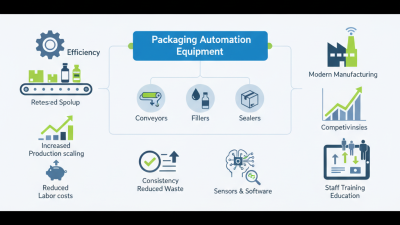
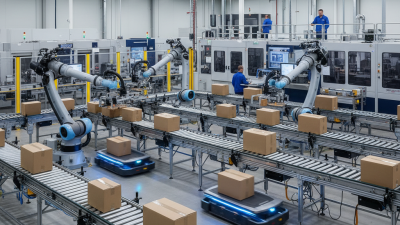
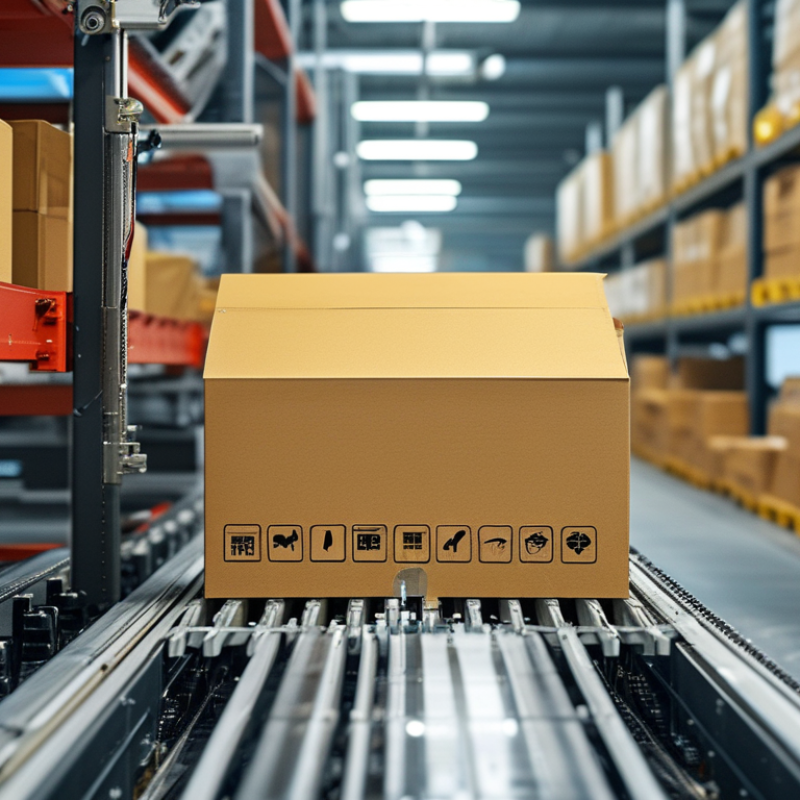
Packaging automation solutions can greatly enhance operational efficiency. These systems streamline processes, reducing manual labor and associated human errors. Automation minimizes repetitive tasks, allowing staff to focus on more complex operations. For example, robotic arms can handle packing and sorting, which accelerates throughput significantly.
Understanding the benefits of packaging automation is crucial. It improves accuracy in packaging and ensures consistency across products. With optimized workflows, businesses can adapt to fluctuating demand more easily. However, some companies may struggle with the initial investment cost. A shift to automated solutions requires careful planning and training for existing employees.
Balancing technology with human oversight is necessary. While automation offers speed, it should not completely replace the human touch in quality control. Regular assessments of both technology and staff capabilities can lead to ongoing improvements. This creates a culture focused on efficiency and excellence.
Identifying Key Areas for Efficiency Improvements in Packaging
Identifying key areas for efficiency improvements in packaging is vital for manufacturers. One of the most impactful areas is process automation. According to industry analysis, companies can increase production speeds by up to 30% through automated packaging systems. Tasks like filling, sealing, and labeling are streamlined, reducing the potential for human error.
Another critical factor is data integration. Packaging automation solutions that incorporate real-time data can enhance decision-making. A report from a leading market analytics firm shows that companies leveraging data can cut operational costs by 20%. Real-time tracking improves inventory management, ensuring products are always available when needed.
Sustainability also plays a role in efficiency. Innovative packaging solutions can reduce material waste and energy consumption. Research indicates that switching to eco-friendly materials and methods can reduce a company's carbon footprint by 15%. While many businesses adopt automation, they often overlook the potential for sustainable practices. Failure to balance efficiency with environmental responsibility may lead to long-term repercussions.
How to Improve Efficiency with Packaging Automation Solutions?
| Key Area |
Current Efficiency (%) |
Potential Improvement (%) |
Automation Solution |
Estimated ROI (Months) |
| Case Packaging |
70 |
20 |
Automated Case Erector |
12 |
| Labeling |
65 |
25 |
Automated Label Applicator |
10 |
| Filling |
75 |
15 |
Automated Filling Machine |
14 |
| Palletizing |
80 |
30 |
Automated Palletizer |
8 |
| Quality Control |
60 |
20 |
Automated Inspection Systems |
11 |
Evaluating Different Types of Packaging Automation Technologies
When exploring packaging automation technologies, it's crucial to assess various types that can fit your needs. One common type is semi-automated packaging systems. These systems often involve manual labor alongside machinery, allowing for flexibility. However, they can lead to inconsistencies and higher labor costs.
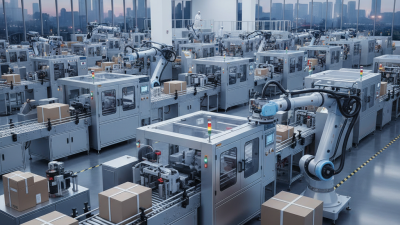
Fully automated solutions are another option. They integrate advanced robotics and software to streamline the packaging process. These systems can significantly increase speed and accuracy. Yet, they require substantial upfront investment and can be complex to implement. A detailed cost-benefit analysis is essential before committing.
It's also worth considering modular systems. These allow for easier upgrades and adjustments based on changing production needs. They offer a balance between automation and manual processes. However, they may not achieve the same efficiency as fully automated setups. Evaluating your specific requirements and existing workflows can help determine the best approach for your business.
Implementing a Step-by-Step Approach to Packaging Automation
Implementing packaging automation is a vital step for improving efficiency in any production line. A structured, step-by-step approach can help organizations navigate this transition smoothly. Start by assessing current processes to identify bottlenecks. Observe where manual labor slows down productivity. This initial evaluation is crucial. It sets the stage for targeted improvements.
Evaluate potential automation solutions that fit your needs. Look for systems that integrate well with existing workflows. Simplicity in design often translates to ease of use. Sometimes, simpler machines can achieve the same goals as complex systems. Consider the human factor too. Will your team adapt well to new technology? Training is essential to maximize the benefits of automation.
Don’t shy away from pilot testing. Implement a small-scale trial to determine effectiveness. This phase may reveal unexpected challenges or additional training needs. Utilize feedback from staff to make necessary adjustments. Reflecting on these insights can lead to better long-term solutions. Continuous evaluation ensures that your automation journey aligns with evolving business objectives.
Measuring Success: Metrics to Assess Packaging Efficiency Improvements
Measuring success in packaging efficiency requires careful attention to specific metrics. Factors such as cycle time, throughput, and error rates directly reflect improvements. Reducing cycle time means quicker packaging processes. Companies often aim for lower error rates to enhance product accuracy. These metrics provide valuable insights into how automation can improve performance.
Another key metric is overall equipment effectiveness (OEE). This measures the efficiency of machinery and processes. High OEE indicates less downtime and more productive use of resources. However, achieving high OEE is not always straightforward. Many factors can disrupt efficiency, such as machinery malfunctions or employee training gaps.
Additionally, analyzing cost savings is crucial. Reducing labor costs through automation is one benefit, but assessing the total cost of ownership is essential. Regular audits help identify hidden costs over time. Challenges include balancing initial investment with long-term gains. These metrics, while insightful, often reveal areas needing further refinement. Emphasizing these can drive continuous improvement.