What is Packaging Automation Equipment and How Does It Work?
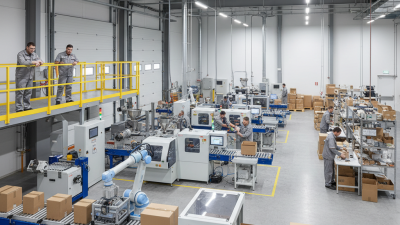
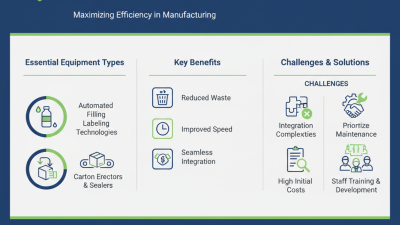
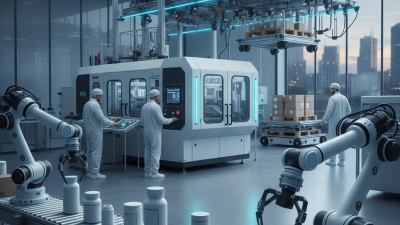
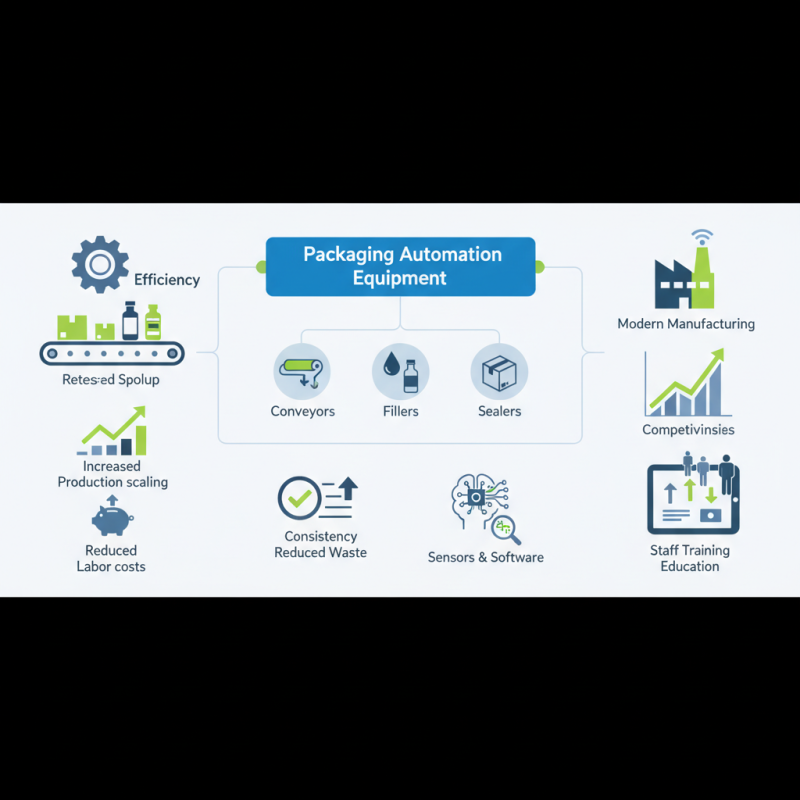
Packaging automation equipment plays a crucial role in modern manufacturing. These systems streamline the process of packaging goods, enhancing efficiency and reducing labor costs. They come in various forms, such as conveyors, fillers, and sealers. Businesses adopt packaging automation equipment to maintain competitiveness.
Efficiency is the heart of packaging automation. It allows companies to scale production quickly. However, the initial investment can be daunting for smaller firms. They often struggle with integrating new technologies while balancing costs. Despite these challenges, many find automation improves consistency and reduces waste.
Understanding how packaging automation equipment operates can demystify its potential. These machines utilize sensors and software to monitor packaging processes. This level of technology can sometimes outpace staff training, leading to confusion. However, with proper education and support, businesses can harness automation effectively. Embracing this technology signals a commitment to innovation and quality.
Definition of Packaging Automation Equipment
Packaging automation equipment refers to machines designed to streamline the packaging process. These systems enhance productivity, reduce labor costs, and improve consistency.
According to industry reports, businesses can achieve up to a 25% increase in efficiency by implementing automation in packaging.
Such equipment includes machines for filling, sealing, labeling, and coding products. Many companies are moving towards automation to meet growing consumer demands. In fact, a study found that 66% of manufacturers plan to invest more in automation technology. They aim to keep up with market trends and minimize operational downtime.
Tips: Regular maintenance of packaging machines is crucial. This prevents breakdowns and costly delays. Staff training on equipment operation is also essential for safety and efficiency.
Ultimately, as businesses embrace automation, they should continually evaluate performance. This reflection can reveal areas for improvement and adaptation in an ever-evolving market.
Key Components of Packaging Automation Systems
Packaging automation systems consist of several key components. These elements work together to streamline the packing process. Conveyors transport products from one stage to another. They come in various types, including belt and roller systems. Each type serves a unique purpose based on the products being handled.
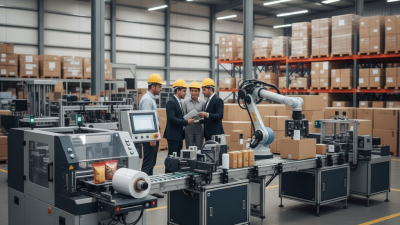
Automated packaging machines are crucial in these systems. They can fill, seal, and label products with precision. This reduces the need for manual labor and increases efficiency. Sensors and control systems monitor the packaging process. They ensure that each product is correctly packaged and sorted. However, integration of these systems can be challenging. Sometimes, machines may not work seamlessly together. This can lead to bottlenecks in production.
Another vital component is the packaging material itself. Depending on the product, different materials are used. Films, boxes, or jars require specific machines for handling. It’s important to choose the right type to avoid waste. Regular maintenance is necessary as well, as worn-out parts can cause delays. Automation offers significant benefits, but it is not without its pitfalls. Continuous evaluation of the system is essential for optimal performance.
Packaging Automation Equipment: Efficiency Metrics
This chart illustrates the impact of packaging automation equipment on various efficiency metrics. The data reflects an average measurement with respect to speed enhancement, labor cost reduction, error rate minimization, and setup time reduction, showcasing the significant benefits of automation in packaging processes.
How Packaging Automation Equipment Functions
Packaging automation equipment plays a crucial role in modern industries. Its main function is to streamline the packaging process. By using advanced technology, these machines can automate tasks like filling, sealing, and labeling. This enhances efficiency and accuracy. Many industries benefit, including food, cosmetics, and pharmaceuticals.
These machines operate through sensors and software. They detect items on a conveyor belt, ensuring that products are packaged correctly. Packaging automation can reduce labor costs and minimize human error. However, it requires proper maintenance. Neglecting equipment can lead to malfunctions. Regular checks can prevent downtime.
Tips: Train staff regularly on how to use the machinery. Ensure they understand the basics of maintenance. A well-trained team can avoid costly mistakes. Also, consider scalability. As production needs change, the equipment should adapt. This future-proofing can save resources in the long run.
Advantages of Implementing Packaging Automation
Packaging automation equipment streamlines the packing process, making it faster and more efficient. By using machines for tasks like sealing, labeling, and palletizing, businesses can reduce labor costs significantly. This efficiency not only lowers operational expenses but also increases production speed. Companies can meet high demand without compromising quality.
Another advantage is consistency. Automated systems ensure every package is sealed and labeled identically. This reduces errors that often occur with manual labor. However, there can be a learning curve. Employees may need time to adapt to new technologies. Training is essential to maximize the benefits.
Despite the improvements, businesses should periodically evaluate their systems. Sometimes, machines may require maintenance or updates. Keeping an eye on performance is crucial. An automated system can fail if not monitored correctly. Reflection on these challenges is vital to ensure continued efficiency and success.
Applications of Packaging Automation in Various Industries
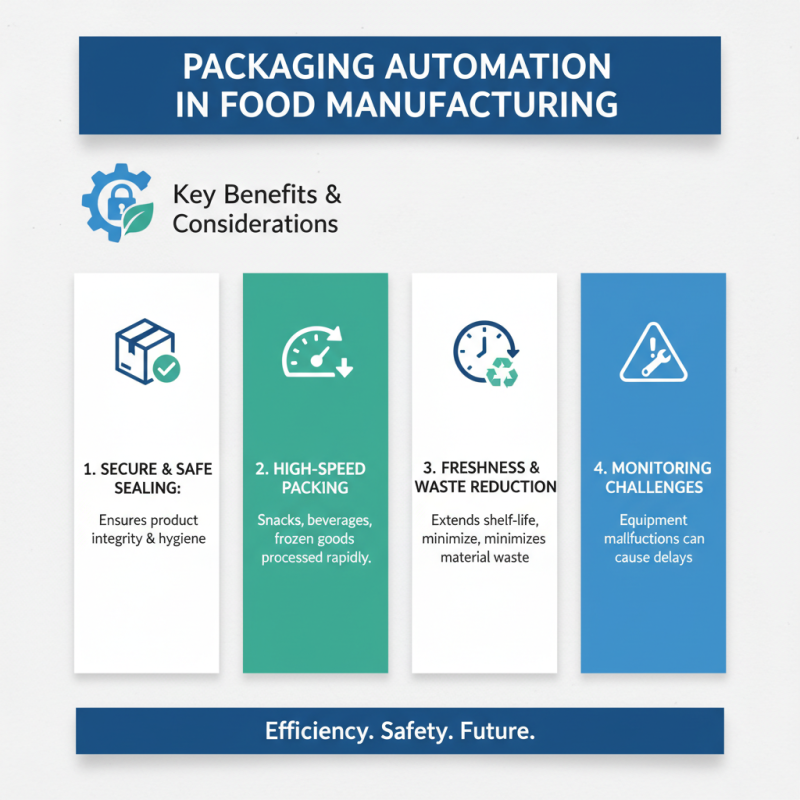
Packaging automation plays a vital role in today's manufacturing landscape. In the food industry, it ensures products are sealed securely and safely. Automated systems can pack snacks, beverages, and frozen goods at high speeds. This not only maintains freshness but also reduces waste. However, occasional equipment malfunctions may lead to delays that need careful monitoring.
In the pharmaceutical sector, packaging automation guarantees precision. It handles delicate items like pills and syringes. Automated lines reduce human contact, enhancing hygiene. Still, misalignment in materials can result in costly errors. Companies need to frequently evaluate equipment alignment to avoid recalls due to packaging faults.
The e-commerce industry benefits significantly from packaging automation. Sorting and shipping systems allow for quick order fulfillment. Products are packed according to size and weight, optimizing space. Despite this, the challenge of maintaining sustainability remains. Balancing efficiency with eco-friendly practices can be difficult and requires ongoing commitment.