Why is Packaging Automation Equipment Essential for Modern Industries?
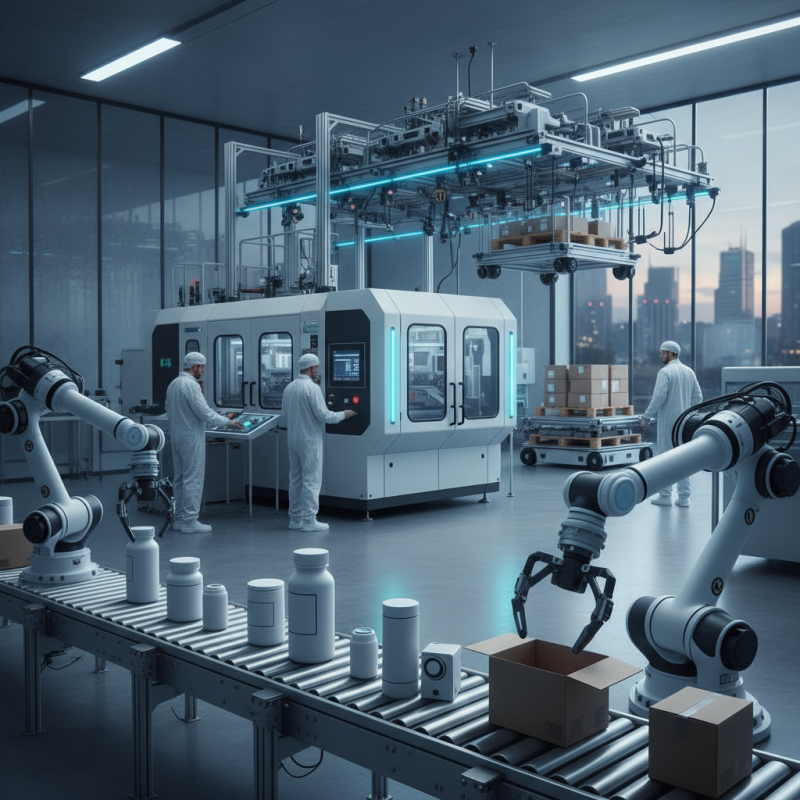
In today's fast-paced industrial landscape, efficiency and precision are critical. Packaging automation equipment has emerged as a game-changer. This technology streamlines operations and reduces labor costs significantly. Companies can increase productivity while maintaining high-quality standards.
One essential feature of packaging automation equipment is its adaptability. Different industries have unique needs. From food to pharmaceuticals, each sector benefits from tailored solutions. However, integration can be a challenge. Companies must carefully evaluate their existing systems before implementation.
Moreover, relying too heavily on automation raises concerns. Human oversight remains essential to address unforeseen issues. Balancing automation with skilled labor is vital. As industries evolve, the role of packaging automation equipment will continue to grow. Businesses must embrace change while being cautious.
The Definition and Types of Packaging Automation Equipment
Packaging automation equipment plays a crucial role in modern industries. It enhances efficiency, reduces labor costs, and ensures consistent quality. These machines are diverse and tailored to various applications. Common types include case packers, palletizers, and shrink wrappers. Each type serves a unique purpose, streamlining packaging processes in different sectors.
Case packers, for instance, automate the packing of products into boxes. They save time and minimize human error. Palletizers stack goods onto pallets, optimizing storage and transportation. Shrink wrappers, on the other hand, protect products and improve shelf appeal. Yet, the need for skilled operators remains. Training is essential to handle complexities.
Automation is not without challenges. High initial costs can be a barrier for smaller companies. Maintenance and troubleshooting require expertise, which is sometimes lacking. Moreover, the rapid pace of technological change can leave some equipment obsolete. This reality urges industries to reflect on their choices and adapt continuously.
Key Benefits of Implementing Packaging Automation in Modern Industries
In modern industries, packaging automation equipment plays a critical role.
It streams operations and boosts efficiency. Companies embrace this
technology to maintain a competitive edge. One key benefit is reduced labor costs.
Automated systems can handle repetitive tasks quickly. This allows human workers to focus on more complex roles.
Efficiency is another major advantage. Automated packaging helps to minimize errors. Machines are consistent and reliable.
With real-time monitoring, businesses can optimize production processes.
This leads to faster delivery times and increased customer satisfaction.
Tip: Evaluate your current packaging processes. Identify areas where automation could improve efficiency.
However, implementing automation is not without challenges. Initial costs can be high. Staff may need training to adapt to
new systems. Some may resist change. It's important to balance the benefits with these potential drawbacks.
Tip: Engage your team early in the decision-making process. Their input can ease the transition.
How Packaging Automation Enhances Efficiency and Productivity
Packaging automation is transforming modern industries. It streamlines production processes and reduces manual effort. Machines can handle repetitive tasks, minimizing human error. This allows employees to focus on more complex duties. With automation, companies can achieve higher output rates. Workers maintain their health and safety better in automated environments.
Many industries face challenges in meeting demand. Packaging automation helps tackle these issues effectively. It increases speed without sacrificing quality. Automation systems can adapt to different product sizes. However, there are some drawbacks. Initial setup costs can be high. Companies must consider long-term savings versus upfront investments.
Integrating new systems requires training and adjustment. Some workers may resist change, fearing job loss. Addressing these concerns is crucial for success. Each transition can expose inefficiencies. Not all processes may suit automation. Regular evaluation allows companies to refine their systems continuously. Embracing technology leads to growth and better productivity.
Impact of Packaging Automation on Efficiency and Productivity
The Role of Technology in Packaging Automation Innovations
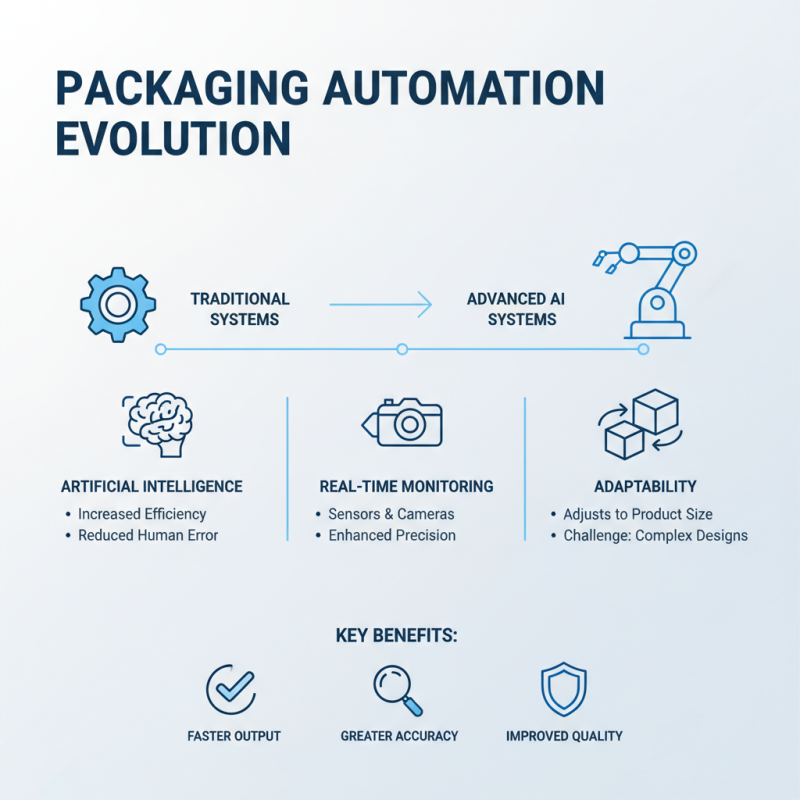
The evolution of technology has significantly influenced packaging automation. Advanced systems now use artificial intelligence to improve efficiency. Sensors and cameras help to monitor the packaging process in real-time. These innovations reduce human error and enhance precision. Automated machines can adjust to different product sizes, but they can struggle with complex designs.
Data analytics plays a crucial role in managing operations. By tracking performance metrics, companies can identify bottlenecks. This allows for prompt adjustments and boosts productivity. However, some organizations face challenges in adopting new technology. Resistance to change can hinder progress. Training employees on these systems takes time and effort.
Yet, the benefits often outweigh the obstacles. Streamlined operations lead to cost savings over time. Enhanced product presentation improves customer satisfaction, but not every automated solution is perfect. Regular maintenance is necessary to avoid costly breakdowns. Companies must remain adaptable to keep up with technology's rapid advancements.
Future Trends in Packaging Automation for Industry Growth
In recent years, the packaging automation industry has witnessed significant changes. According to a report by MarketsandMarkets, the global packaging automation market is projected to reach $81.2 billion by 2025. This growth is driven by the increasing demand for efficient production processes in various sectors, like food, pharmaceuticals, and e-commerce. As companies strive to meet consumer expectations, automated systems provide the speed and flexibility needed in today’s fast-paced marketplace.
Future trends in packaging automation are leaning towards smart technologies and artificial intelligence. These advancements enable real-time monitoring and data analysis, enhancing decision-making processes. For instance, predictive maintenance can reduce downtime by 30%. There is also a growing interest in eco-friendly packaging solutions, aligning with global sustainability goals. Companies adopting these innovations could see a significant increase in operational efficiency.
Tip: Regularly assess your automation needs. Small changes can yield big results. Consider investing in scalable systems that grow with your business.
Another emerging trend is the integration of robotics. Cobots, or collaborative robots, enhance human capabilities in packing lines. However, the initial investment can be high and requires careful consideration. Companies must evaluate their ROI critically.
Tip: Conduct thorough market research before implementing new technologies. Understand what works best for your specific industry and needs.
Why is Packaging Automation Equipment Essential for Modern Industries? - Future Trends in Packaging Automation for Industry Growth
| Dimension |
Current Value |
Growth Rate (2023-2028) |
Future Trends |
| Market Size (USD Billion) |
24.5 |
8.7% |
Increased automation integration |
| Adoption Rate (%) |
65% |
12% CAGR |
Expansion into SMEs |
| Energy Efficiency (%) |
85% |
N/A |
Focus on sustainability |
| Labor Cost Reduction (%) |
30% |
N/A |
Automation of repetitive tasks |
| Expected ROI (Years) |
2-3 |
N/A |
Shortening payback periods |