What is a Pouching Machine and How Does it Work?
In the fast-paced world of packaging, the pouching machine plays a crucial role. This innovative equipment streamlines the process of filling and sealing pouches for various products. John Smith, a leading expert in packaging technology, states, "Pouching machines have transformed the industry, offering efficiency and versatility." His insights emphasize the growing importance of these machines in today's market.
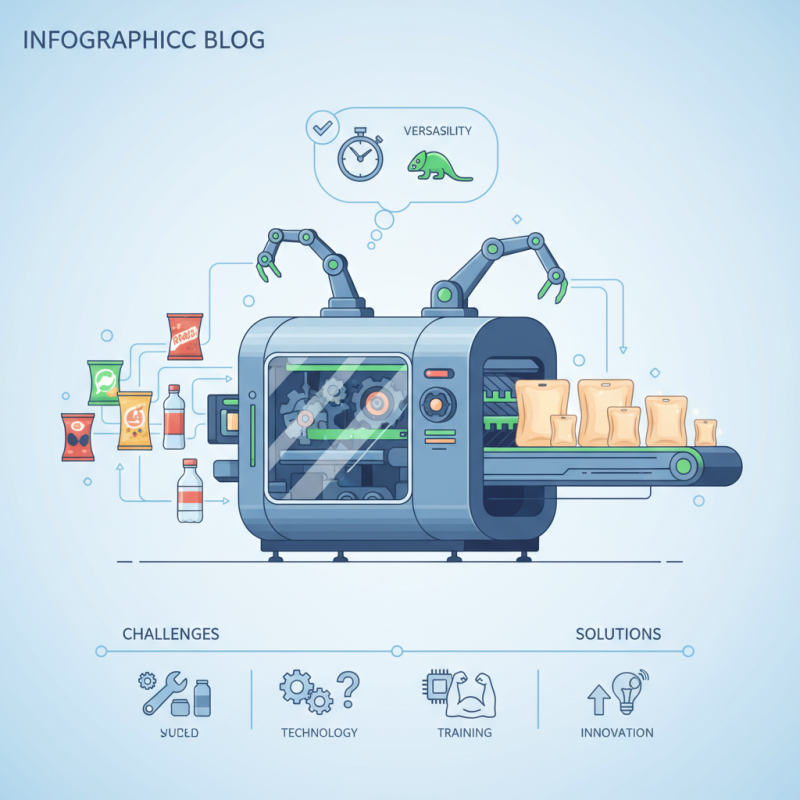
Pouching machines can accommodate a wide range of products. From snacks to liquids, their capabilities are impressive. However, issues like machine maintenance and product compatibility can arise. It’s vital for manufacturers to regularly assess these factors. Proper training for operators also enhances performance and minimizes mistakes.
While pouching machines deliver impressive results, they are not without challenges. Companies must stay ahead of the technology curve and continually adapt. This reflection is crucial for thriving in a competitive landscape. The pouching machine, an essential tool, requires ongoing attention and innovation.
What is a Pouching Machine?
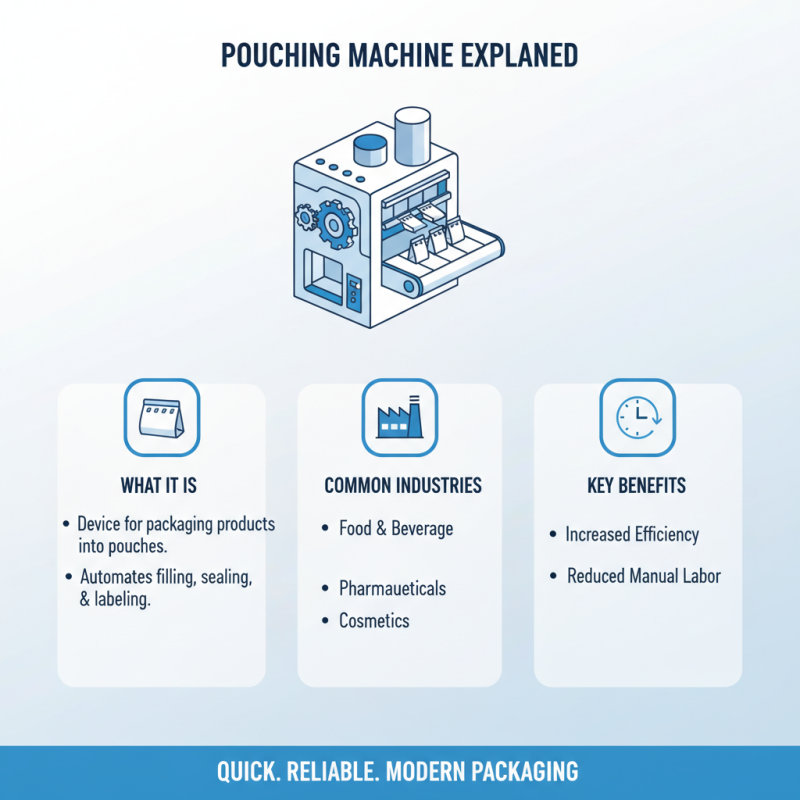
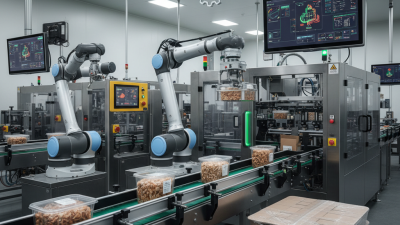
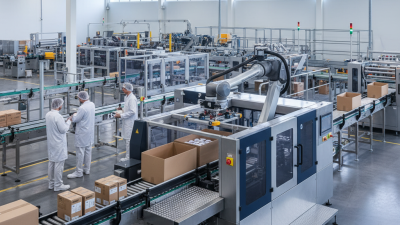
A pouching machine is a device designed for packaging products into pouches. It is commonly used in various industries, such as food, pharmaceuticals, and cosmetics. These machines automate the packaging process, enhancing efficiency and reducing manual labor. They can fill, seal, and label pouches, providing a quick and reliable way to package items for distribution.
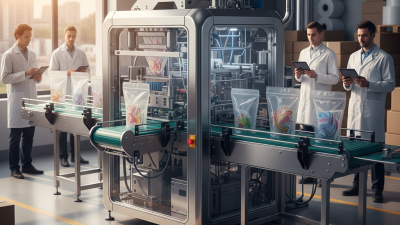
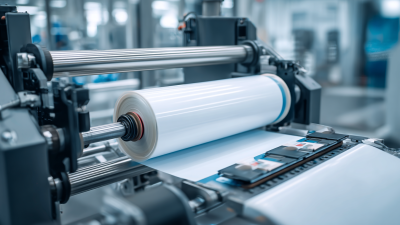
The operation of a pouching machine involves several steps. First, the machine feeds a roll of pouch material through its system. Then, it utilizes sensors to cut and form the pouches. After forming the pouches, the machine fills them with the chosen product. This stage requires precision to avoid spills or excess product, which can lead to waste. Finally, the machine seals the pouches to ensure freshness and safety.
While pouching machines significantly improve packaging efficiency, they also come with challenges. Sometimes, the machine settings may require adjustment to accommodate different products. This can lead to trial and error. Regular maintenance is crucial as well; machine malfunctions can halt production. Simplifying operations may reduce errors but can also limit flexibility. Finding the right balance can be difficult but is essential for consistent output.
Key Components of a Pouching Machine
Pouching machines are essential in the packaging industry, specifically for food, pharmaceuticals, and other consumer goods. A pouching machine typically consists of several key components that contribute to its functionality. These include the filling system, sealing mechanism, and control panel. Each part plays a critical role in ensuring efficiency and accuracy during production.
The filling system is crucial. It determines the volume of product packed into each pouch. According to industry reports, precise filling can reduce waste by up to 10%. Next, the sealing mechanism provides hermetic seals that ensure product freshness. This aspect is vital for products with a short shelf life. Data indicates that improper sealing can lead to contamination, which costs businesses millions annually.
The control panel manages the machine's operations. Operators can set parameters for speed and fill volumes. A well-designed control interface can enhance usability, reducing training time for new staff. However, challenges may arise with integration into existing production lines. Companies often report that compatibility issues can delay implementation, leading to downtime. Overall, understanding these components can help businesses improve their packaging processes.
How Pouching Machines Operate: A Step-by-Step Process
Pouching machines play a vital role in packaging. They are designed to create pouches for various products. Understanding their operation helps in appreciating their significance in industries such as food, pharmaceuticals, and consumer goods.
The process begins with feeding material into the machine. This material can be plastic film or other flexible substances. Once the feed rolls are in place, the machine heats and forms the material. It creates a tube-like shape as it moves along. Next, the machine fills the tube with the desired product. This step must be precise to avoid spills or underfilling.
After filling, the machine seals the pouches. Sealing can be done using heat or adhesive. This ensures durability and prevents leakage. It's crucial to ensure the right temperature is used. Too hot or too cold can lead to poor seals. Finally, the pouches are cut to the desired size. The entire process requires monitoring for efficiency and quality control. Any error in these steps can result in wasted materials or defective pouches. Understanding this complexity reveals the intricate dance of technology and craftsmanship in pouching machines.
Applications of Pouching Machines in Various Industries
Pouching machines are gaining traction across various industries. They excel in packaging liquids, powders, and granules. For instance, the food industry relies heavily on these machines for packaging snacks, beverages, and ready-to-eat meals. According to a report by MarketsandMarkets, the global pouch packaging market is expected to reach $45 billion by 2025. This growth highlights the increasing demand for efficient packaging solutions.
In pharmaceuticals, pouching machines are essential for packaging tablets and powders. They ensure precise dosing and maintain product integrity. A 2022 study found that 20% of pharmaceutical companies are investing heavily in automated pouching technology. This investment aims to enhance efficiency and reduce human error in the packaging process. However, some businesses may face challenges in integrating new technologies, leading to inconsistencies and potential delays.
The cosmetic industry also benefits from pouching machines. They facilitate the packaging of creams, lotions, and serums in single-use pouches. This not only improves convenience but also reduces waste. The surge in sustainable packaging is pushing companies to rethink their strategies. Yet, transitioning to eco-friendly materials can complicate machine compatibility. Balancing efficiency and sustainability remains an ongoing challenge for many industries today.
Advantages of Using Pouching Machines for Packaging
Pouching machines are increasingly popular in the packaging industry. They offer significant advantages for various products, enhancing efficiency and reducing waste. A recent report from the Packaging Machinery Manufacturers Institute (PMMI) noted that pouch packaging growth is projected at 4% annually through 2026. This trend emphasizes the increasing reliance on these machines.
Using pouching machines can lead to cost savings. According to a study by Freedonia Group, production costs can drop by 15% when switching from rigid packaging to pouches. The lightweight design of pouches also means lower shipping expenses. Many companies report improved shelf life for their products, directly linked to better sealing technology.
However, companies must consider potential downsides. Not all products are suitable for pouching. Certain viscous liquids or granules may not work well in pouches. Moreover, initial setup costs can be high. Businesses must balance the upfront investment with long-term benefits. It's vital for companies to evaluate their specific needs before transitioning to pouching solutions.