Top Tips for Choosing the Right Industrial Packaging Machine?
Choosing the right industrial packaging machine is crucial for businesses today. According to John Smith, an expert in packaging solutions, "The right machine can enhance efficiency and reduce waste." Selecting the best equipment involves understanding specific needs and capabilities.
Many factors influence this choice. A business must consider the material type, production speed, and automation levels. For instance, companies may focus on whether the packaging machine can handle both large and small products effectively. However, hidden challenges often arise. Understanding the true cost of operation and maintenance is essential.
Investing in an industrial packaging machine can be daunting. It's easy to overlook key features that could affect performance. Striking a balance between budget, functionality, and reliability is not always straightforward. Businesses must reflect on their long-term goals, ensuring their choice aligns with future needs while fulfilling current demands.
Understanding the Types of Industrial Packaging Machines Available
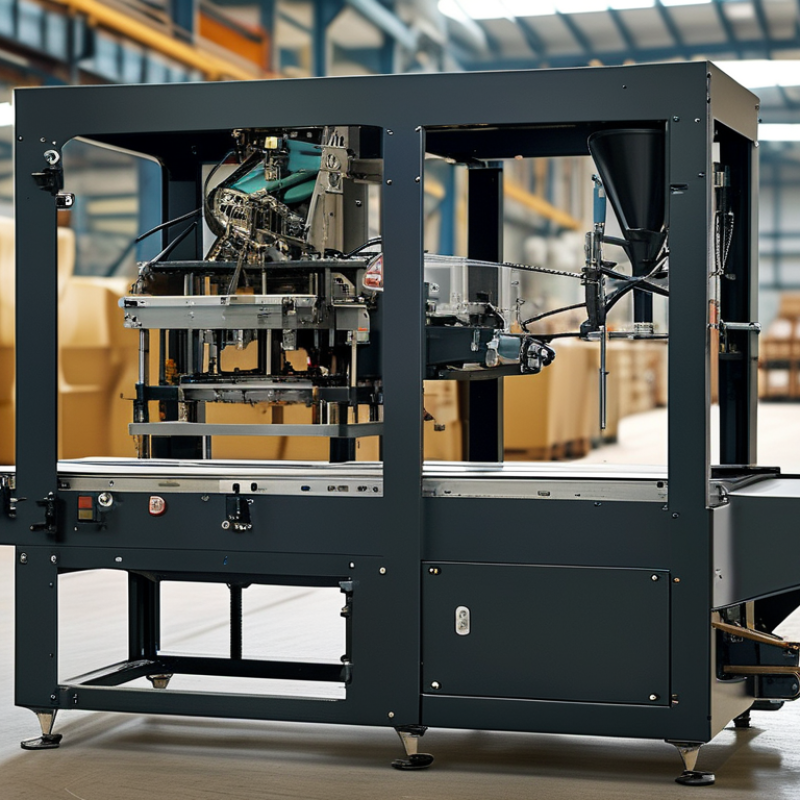
When selecting an industrial packaging machine, it’s essential to understand the various types available. Filling machines, for instance, cater to liquids, powders, and granules. They ensure that the right amount of product is accurately dispensed into each package. However, choosing the appropriate filling technology can be challenging. An operator might prefer gravity-fed systems for consistency but may struggle with viscous liquids.
Another category includes sealing machines, which are crucial in maintaining product integrity. These machines cover a range of processes, from heat sealing to vacuum sealing. Each method has its own set of advantages and limitations. Over-relying on one technique might lead to issues with package durability or product freshness. Operators should consider materials and product types when selecting a sealing method.
Finally, labeling machines play a vital role in presentation and compliance. Proper labeling ensures that products meet industry standards. However, the risk of mislabeling can result in costly recalls. Ensuring that labeling machinery is adaptable can solve many potential problems. Each type of machine has its own learning curve, which may require adjustments in workflow and training for staff.
Evaluating Your Packaging Needs: Volume, Size, and Product Types
When choosing the right industrial packaging machine, assessing your packaging needs is crucial. Consider the volume of products you need to package daily. High-volume production requires machines that can keep up with speed and efficiency. For instance, a small bakery might not need the same capacity as a large food processing plant. Identifying this difference can prevent over-investing in unnecessary machinery.
The size of your products is another consideration. A compact product may require a different type of packaging than larger items. Long items may need specialized solutions, while small products can utilize simpler systems. It's important to visualize how each package fits within storage and transportation constraints.
Lastly, consider the types of products you handle. Delicate items may need machines with gentle handling features. More rigorous products might withstand tougher packaging methods. Understanding these details leads to a more informed decision. Explore your specific needs carefully.
Key Features to Look for in an Industrial Packaging Machine
When selecting an industrial packaging machine, several key features must be evaluated. Efficiency is vital. Machines that streamline workflow can save time and reduce labor costs. Look for devices that support automation, as these often enhance productivity. Inline systems can increase throughput and minimize handling.
Consider the versatility of the machine. It should handle various packaging materials and sizes. Machines that adapt to different products and packaging types can be more cost-effective in the long run. Flexibility is essential in a rapidly changing market. Invest in machines that allow easy adjustments for different tasks.
Durability is another crucial factor. Packaging machines face intense operational demands. A robust design ensures longevity and reduces the need for frequent repairs. However, acknowledge that even the best machines may require maintenance. Regular check-ups can prevent potential downtimes. Evaluate the availability of spare parts and technical support. It's important to have a reliable service network for peace of mind.
Budgeting for Your Industrial Packaging Machine Investment
Budgeting for an industrial packaging machine is crucial. Businesses need to consider more than just the purchase price. Often overlooked costs include maintenance, training, and additional materials. These can add up quickly. Allocate a budget that covers these aspects to avoid surprises later.
It’s important to assess your production needs accurately. A smaller operation may benefit from an entry-level machine. A larger facility might need a more advanced solution. Researching options thoroughly can prevent misalignment of needs and budget.
Include a contingency fund in your budget. This can help manage unexpected expenses. It is common for machines to encounter repairs or require upgrades over time. Understanding your operating costs can also assist in making informed decisions. Track your spending closely. Analyze how the investment impacts your overall production efficiency.
Top Tips for Choosing the Right Industrial Packaging Machine - Budgeting for Your Industrial Packaging Machine Investment
| Aspect |
Consideration |
Estimated Cost |
Notes |
| Machine Type |
Box Erector |
$25,000 - $50,000 |
Ideal for heavy-duty packaging needs. |
| Automation Level |
Semi-Automatic |
$10,000 - $25,000 |
Requires some manual input. |
| Output Capacity |
Up to 30 boxes/min |
Varies by machine type |
Choose based on production volume. |
| Maintenance Costs |
Annual Maintenance |
$2,000 - $5,000 |
Keep a budget for parts and labor. |
| Energy Consumption |
Efficiency Rating |
$500 - $1,500/year |
Consider energy-efficient models. |
Researching and Comparing Trusted Brands and Manufacturers
When researching packaging machines, understanding the market is crucial. A report from Smithers Pira indicates that the global packaging machinery market will reach $60 billion by 2024. This growth signifies the need to choose reliable brands and manufacturers. You should focus on companies known for innovation and quality. Look for those that have established reputations in your specific industry.
It's essential to assess customer reviews and industry certifications. Reliable manufacturers often showcase their certifications prominently. Engaging with industry forums can also provide insights into brand performance. Being informed helps reduce the risk when investing in expensive machinery.
Evaluate the after-sales support offered by manufacturers. A helpful support system can prevent costly downtime. Effective communication with the manufacturer can reveal potential issues early on. When selecting a machine, consider the long-term service and technical support options. Engaging with previous users can provide a clearer picture of a brand's reliability.