Top 10 Automated Packaging Machines You Need to Know About?
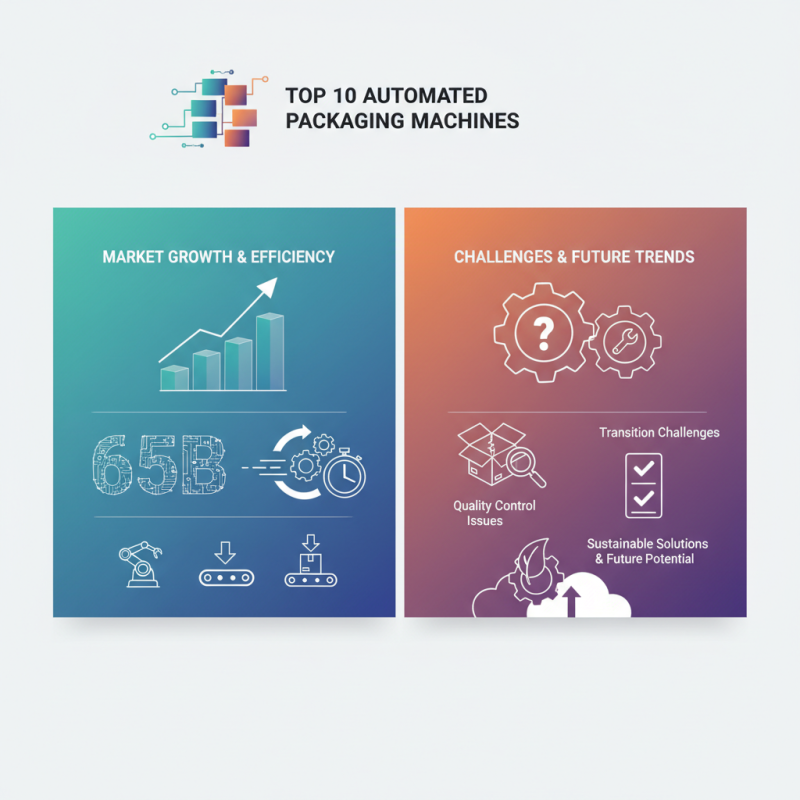
The packaging industry is evolving rapidly. Automated packaging machines are at the forefront of this change. According to a 2022 market research report, the global automated packaging machinery market is expected to reach $65 billion by 2027, reflecting a compound annual growth rate of around 12%. This growth highlights the increasing need for efficiency in packaging processes.
Manufacturers face pressure to enhance productivity and reduce costs. In this context, automated packaging machines are essential. They can minimize labor costs and increase packaging speed. However, transition challenges exist. Not all companies can seamlessly integrate these machines into their workflows. Proper training and adaptation are crucial for success.
Moreover, automated systems can sometimes overlook quality control, leading to defects in packaging. Companies should regularly evaluate their machines to ensure quality standards are met. As the demand for sustainable solutions rises, automation may also adapt. The future of automated packaging machines holds great potential, but ongoing refinement is necessary. Understanding their capabilities is vital for any business looking to thrive in this competitive landscape.
Types of Automated Packaging Machines in the Market Today
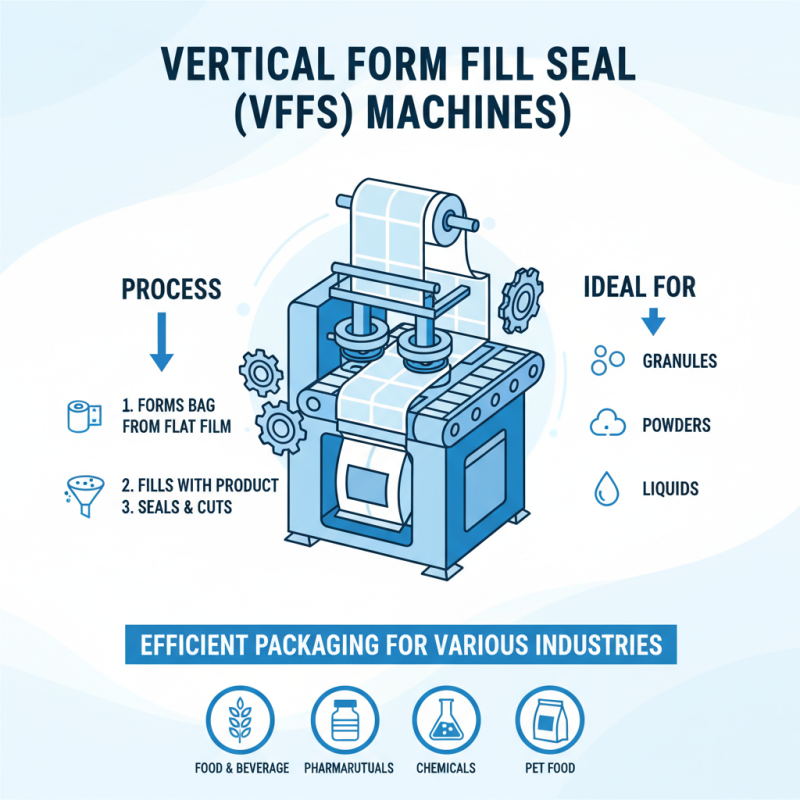
Automated packaging machines come in various types, each serving unique purposes. One popular type is the vertical form fill seal (VFFS) machine. It creates bags from flat film, fills them with products, and seals them. This machine is ideal for packaging granules, powders, and liquids. Many industries rely on VFFS for quick and efficient packaging.
Another common type is the horizontal flow wrapper. It wraps products in flexible film, providing a tight seal. This machine is crucial for items like snacks or bakery goods. Horizontal flow wrappers ensure product integrity and extend shelf life. Their speed and reliability are factors that attract manufacturers.
Tip: Always assess your product type before choosing a machine. Some machines work best with specific materials or shapes.
Consider the case packers next. These machines automate the process of packing products into boxes. They save time and labor in high-volume operations. Case packers can be integrated into existing production lines. However, adjusting them to new products can be challenging.
Tip: Training operators on new equipment is vital. Each machine has unique settings and requires specific handling. Proper training minimizes errors and maximizes efficiency.
Automated packaging machines can revolutionize production. While they offer many advantages, it’s essential to choose the right type for your needs.
Top Brands Leading the Automated Packaging Industry
The automated packaging industry is rapidly evolving. Companies of all sizes are embracing new technologies. This shift streamlines production processes and improves efficiency across the board. Leaders in this field are pushing boundaries and redefining standards.
Innovative brands focus on sustainability and adaptability. They create machines that optimize packaging while minimizing waste. Advanced features include intelligent software that predicts maintenance needs. Such capabilities reduce downtime and increase output. The quest for automation is not without challenges. Cost factors and integration issues often arise during transitions.
Continuous improvement is essential in this competitive landscape. Brands that fail to innovate risk falling behind. Feedback from users plays a crucial role in this ongoing development. Companies must listen closely to market demands. They should remain flexible to adapt to changes quickly. The future of automated packaging is bright yet unpredictable.
Innovative Technologies in Automated Packaging Solutions
Automated packaging solutions have transformed manufacturing. Innovative technologies streamline processes, reduce waste, and enhance efficiency. According to a report by Smithers Pira, the global automated packaging market is projected to reach $85 billion by 2027. Machines equipped with AI and machine learning can significantly improve output throughput. This adaptability is crucial in today’s fast-paced environment.
Adopting robotic systems can improve precision. These machines can handle complex packaging tasks with minimal human intervention. The latest robotics can work alongside employees, increasing productivity without replacing jobs. Packaging automation reduces labor costs, but the initial investment is significant. Consider this before implementing new technology.
**Tip:** Evaluate your current production needs. Automated solutions vary in capability. Don't rush into sophisticated systems without proper assessments.
Many companies still face challenges in integrating automation. A lack of skilled operators can hinder effective usage. Inadequate training leads to errors in operations, which can be costly. Address these gaps early on to maximize technology investment.
**Tip:** Invest in employee training alongside new machinery. It’s vital for smooth operations and long-term success.
Top 10 Automated Packaging Machines You Need to Know About
| Machine Type |
Speed (Packages/Min) |
Automation Level |
Application |
Key Feature |
| Vertical Form-Fill-Seal |
60 |
Fully Automated |
Snacks, Powders |
Versatile bag sizes |
| Carton Erector |
30 |
Semi-Automated |
Beverages |
Quick setup |
| Shrink Wrapper |
70 |
Fully Automated |
Consumer Goods |
Energy-efficient |
| Palletizer |
120 |
Fully Automated |
Bulk Products |
Space-saving design |
| Case Packer |
40 |
Fully Automated |
Mixed Products |
Adjustable format |
| Labeling Machine |
200 |
Fully Automated |
All Products |
High accuracy |
| Stretch Wrapper |
50 |
Semi-Automated |
Pallets |
Load security |
| Weighing Machine |
100 |
Fully Automated |
Bulk Food |
Precision weighing |
| Foil Sealer |
80 |
Fully Automated |
Pharmaceuticals |
Tamper-evident |
| Bagging Machine |
90 |
Fully Automated |
Granules |
User-friendly interface |
Cost Considerations and Return on Investment for Businesses
Automated packaging machines are becoming essential for various industries. They help streamline operations and reduce human error. However, businesses must carefully evaluate the cost before diving in. A recent report highlighted that companies noticing a 20% decrease in labor costs can often see a return on investment (ROI) within 12 to 18 months. This statistic emphasizes the potential benefits of investing in automation.
When considering these systems, think about the initial costs, maintenance, and training. The upfront investment can be significant, often ranging between $50,000 to $500,000. Yet, the savings from reduced labor and increased efficiency can outweigh these costs over time. There are hidden expenses too. For instance, underestimating the cost of integration with existing processes can lead to complications.
Tips: Always analyze your production data before investing. Understand your current output and how automation can enhance it. Ensure you also factor in potential downtime for maintenance and training—these elements can affect your overall savings. Automated machines can indeed raise efficiency, but neglecting these details may impact your ROI negatively.
Top 10 Automated Packaging Machines - Cost Considerations and ROI
This chart illustrates the cost of the top 10 automated packaging machines. Analyzing these costs is essential for businesses to evaluate their return on investment and make informed decisions about equipment purchasing.