Top 5 Packaging Systems for Global Buyers in 2026?
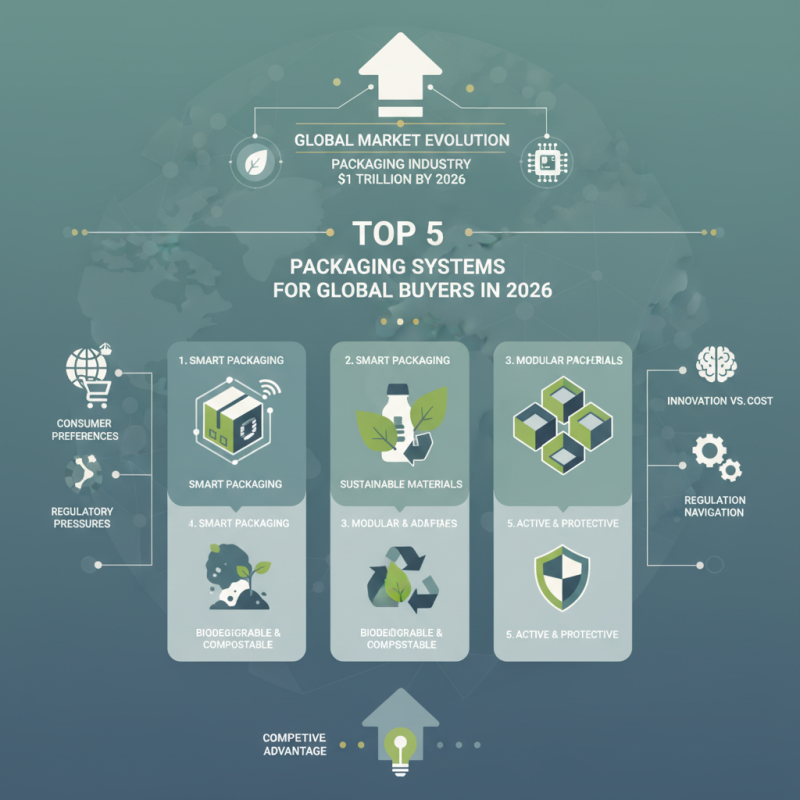
As the global market evolves, packaging systems are becoming increasingly vital. The packaging industry is projected to reach $1 trillion by 2026, driven by innovation and sustainability. This growth is fueled by changing consumer preferences and regulatory pressures on waste management.
In recent years, key market reports highlight the shift towards smart and sustainable packaging solutions. For example, the increase in eco-friendly materials is a response to consumer demand for greener options. Companies are now focusing on integrating technology into packaging systems. Smart packaging enhances supply chain visibility and customer engagement.
Yet, despite these advancements, challenges remain. Not all packaging systems are equally efficient, and companies must navigate complex regulations. Additionally, balancing cost with innovation can be daunting. As we look ahead to 2026, understanding the landscape of packaging systems is essential for global buyers. The right choices now can lead to significant competitive advantages.
Top Trends in Packaging Systems Shaping 2026 Market Dynamics
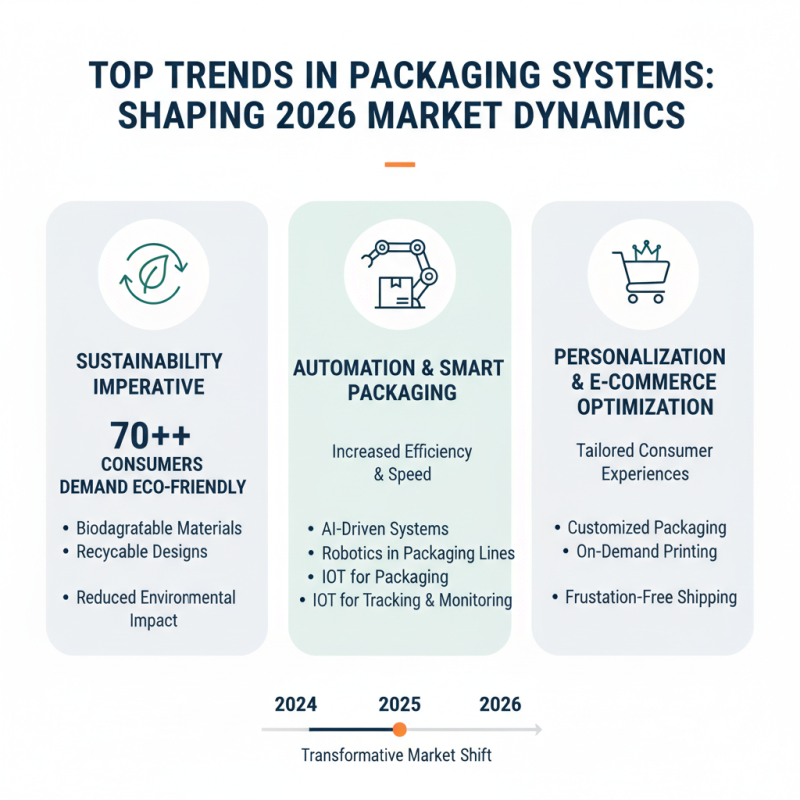
In 2026, the packaging industry will witness transformative trends that shape its market dynamics. Sustainability remains a hot topic. A recent report indicates that over 70% of global buyers seek eco-friendly packaging options. This reflects a growing consumer awareness about environmental impacts. Biodegradable materials and recyclable designs are becoming industry standards rather than exceptions.
Automation is another key trend. With advancements in technology, smart packaging systems are on the rise. These systems enhance efficiency by reducing production time. A study predicts that automated packaging solutions could improve operational efficiency by up to 30%. This shift not only optimizes the supply chain but also meets consumer demands for faster delivery.
**Tips:** Consider investing in sustainable packaging solutions. They not only attract eco-conscious consumers but also comply with emerging regulations. Explore automation technologies to stay competitive. Adopting these innovations could lead to significant cost savings and improved product integrity. Always assess the impact of new trends on your specific needs. Being adaptable is crucial in this evolving landscape.
Sustainable Packaging Innovations: A Focus on Biodegradability in 2026
The shift towards sustainable packaging is gaining momentum. By 2026, biodegradable materials will likely dominate the market. Reports indicate that the global sustainable packaging market could exceed $500 billion. This growth is driven by rising consumer demand for eco-friendly solutions.
Biodegradable packaging materials, such as plant-based plastics and compostable wraps, show promising potential. In particular, studies reveal that nearly 70% of consumers prefer products with sustainable packaging. This preference is reshaping production strategies across various sectors. However, challenges remain in scaling these innovations to meet global needs.
Manufacturers face obstacles in material sourcing and production costs. Quality control and durability of biodegradable products also pose concerns. Moving forward, collaboration between businesses and research institutions is essential. They must address these issues and develop better methods for biodegradable packaging.
Technological Advancements: Smart Packaging Solutions for Tomorrow's Needs
As the world gears up for 2026, packaging systems are evolving rapidly. Smart packaging solutions are becoming essential. These technologies aim to address the growing demands for sustainability and efficiency.
IoT integration is a game-changer. Sensors can monitor product condition in real-time. This information ensures products remain fresh and safe. Additionally, augmented reality (AR) is making packaging interactive. Consumers can scan packages for more information. They want transparency about ingredients and origins. It builds trust.
Yet, challenges remain. Not all consumers embrace these advancements. Some find technology overwhelming. Balancing innovation with user-friendliness is crucial. Companies need to consider diverse user experiences. It's not just about tech; it's about engaging people meaningfully. Smart packaging must feel personal, not robotic.
Top 5 Packaging Systems for Global Buyers in 2026
Market Analysis: Growth Projections for Packaging Systems by Region in 2026
The packaging systems market is evolving rapidly. By 2026, significant changes are expected across different regions. In North America, sustainability trends influence growth. Buyers prioritize eco-friendly materials and efficient designs. This shift reflects increasing consumer demand for responsible packaging solutions.
Europe's market will see advancements in automation. Manufacturers focus on smart packaging technologies. These innovations aim to enhance efficiency and reduce waste. Additionally, Asian markets, particularly in China and India, are witnessing robust growth. Urbanization and changing consumer habits drive the need for flexible packaging solutions.
Despite progress, challenges exist. Market volatility and supply chain disruptions pose risks. Buyers must adapt to fluctuating material costs and shifting regulations. Balancing innovation with affordability remains a complex issue. Understanding regional dynamics will be crucial for success in 2026.
Consumer Preferences: What Global Buyers Seek in Packaging in 2026
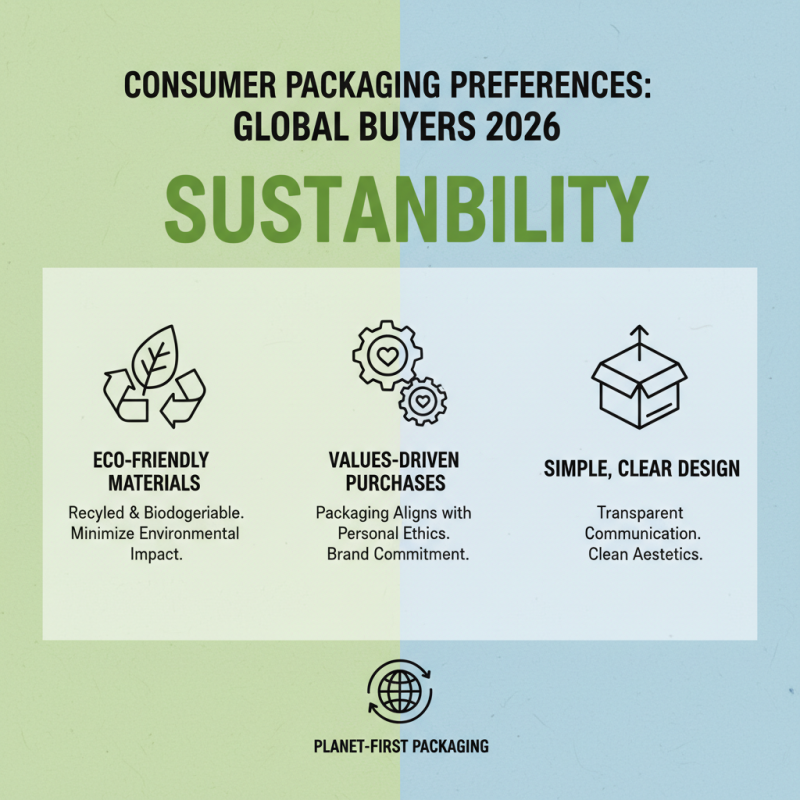
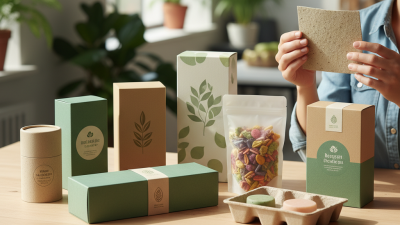
In 2026, global buyers will prioritize packaging that resonates with their values. Sustainability is key. Many consumers will seek eco-friendly materials that minimize environmental impact. Packaging made from recycled or biodegradable materials will attract attention. Simple, clear designs may communicate the brand’s commitment to the planet.
Another significant trend is convenience. Busy lifestyles require packaging that is easy to open and reseal. Innovations in user-friendly designs can enhance the consumer experience. Those who deliver on functionality will stand out in a crowded market. However, some solutions might sacrifice aesthetics for practicality.
Design also plays a crucial role. Buyers will lean towards visually appealing packaging that tells a story. Consumers appreciate authenticity and creativity in design elements. Transparency is essential. They want to know what’s inside. Brands that provide clear information about ingredients and sourcing will gain trust. Aside from these trends, brands must continually assess their strategies. Consumer preferences can change rapidly, requiring constant adaptation.