
2026 Best Food Packaging Equipment for Global Buyers
Choosing food packaging equipment in 2026 requires more than comparing machine prices. Global buyers must examine product types, production volumes, packaging materials, labor conditions, and after-sales support. A compact vertical form-fill-seal machine may suit dry snacks, while a vacuum tray sealer may better protect fresh meat or prepared meals. The details matter. A weak seal can ruin an entire shipment.
Food packaging expert Aaron L. Brody offered a practical reminder: “The package is the product.” That idea still guides responsible equipment decisions. A modern line should protect food, control contamination risks, reduce material waste, and maintain consistent weights. Buyers should also verify cleaning access, changeover time, spare-parts availability, and operator training. Stainless-steel surfaces are valuable, but poor maintenance can still create problems. Equipment specifications alone cannot guarantee safe performance.
This 2026 guide compares food packaging equipment for global buyers across filling, sealing, wrapping, labeling, inspection, and end-of-line automation. It considers real factory conditions, including humid rooms, limited technical staff, unstable utilities, and changing product sizes. Energy consumption and recyclable materials also deserve attention. Yet no machine is perfect. A highly automated line may increase output, but it can become difficult to repair without local expertise. Buyers should question impressive claims, request product trials, and study the supplier’s service record. The best decision is not always the fastest machine. It is the system that delivers reliable protection, measurable efficiency, and practical long-term value.
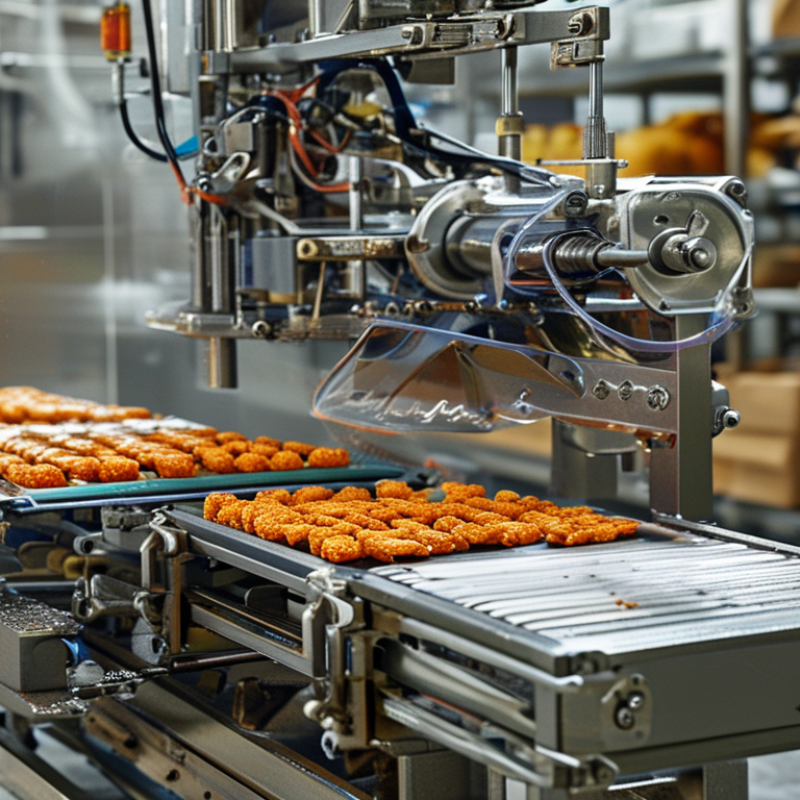
What Food Packaging Equipment Means for Global Buyers in 2026
In 2026, food packaging equipment means more than a machine that fills, seals, or labels. Global buyers now evaluate the complete operating environment. A line must match local power standards, available floor space, labor skills, and food-contact requirements. Hygienic design matters. Smooth stainless surfaces, tool-free access, and controlled cleaning routines can reduce contamination risks. Buyers should request documented testing for seal strength, fill accuracy, and changeover performance. Numbers matter more than impressive brochures.
A practical purchase includes total cost, not only the quotation. Consider spare parts, technician travel, software updates, energy use, and training. Ask whether the equipment handles regional packaging films without excessive waste. Test sample products at realistic speeds. A machine may perform well for one hour and struggle during a full shift. That difference can affect every shipment. Planning can fail when buyers ignore humidity, unstable voltage, or limited maintenance space. These details feel ordinary, but they decide uptime.
Tips: Build a comparison sheet covering capacity, tolerances, cleaning time, utilities, warranty terms, and response times. Request factory acceptance tests and clear installation drawings. Keep a backup plan for critical components. It sounds cautious. It is. Do not assume every smart feature creates value. A simple sensor may help more than a complex dashboard when operators cannot interpret warnings. Review worker feedback after trials, then revise the specification before signing. The best equipment is not always the fastest. It is the safest, supportable, and most consistent fit for the buyer’s market.
| Equipment Category | Typical Food Applications | Common Packaging Formats | Typical Throughput | Suitable Product Characteristics | Typical Automation Level | Typical Utilities | Key Global-Buyer Considerations |
|---|---|---|---|---|---|---|---|
| Vertical Form-Fill-Seal Machine | Grains, snacks, frozen foods, powders, spices, coffee, pet food and fresh produce | Pillow bags, gusseted bags, quad-seal bags and sachets | 30–120 bags/min, depending on product and bag size | Free-flowing solids, irregular products, granules and powders when paired with a suitable dosing system | Automatic film forming, filling, sealing and cutting; optional automatic weighing and checkweighing | Compressed air is commonly required; electrical supply varies by configuration, often 3–10 kW | Confirm film compatibility, sealing temperature range, voltage, compressed-air quality, language options and local service support |
| Horizontal Flow-Wrapping Machine | Bakery products, snack bars, confectionery, fresh produce, frozen foods and ready-to-eat items | Three-side-sealed pillow packs and fin-seal packs | 40–250 packs/min, influenced by product length and sealing method | Rigid or semi-rigid products with consistent dimensions, including single products and multipacks | Automatic product infeed, film forming, longitudinal sealing and end sealing | Usually electrical power plus compressed air for selected actuators; commonly 4–15 kW | Evaluate product spacing, film barrier requirements, modified-atmosphere capability and integration with upstream conveyors |
| Premade Pouch Filling and Sealing Machine | Sauces, retort foods, snacks, nuts, dried fruit, pet food and prepared meals | Stand-up pouches, flat pouches, zipper pouches and spouted pouches | 20–80 pouches/min, depending on pouch size and filling system | Liquids, pastes, powders, granules and mixed products | Automatic pouch picking, opening, filling, sealing and discharge; optional vacuum or gas flushing | Electrical power and compressed air; typical installed power is approximately 5–20 kW | Check pouch dimensional tolerance, zipper or spout handling, seal inspection, cleaning access and changeover time |
| Multihead Weigher | Snacks, nuts, confectionery, frozen foods, vegetables, pulses and dry pet food | Usually integrated with vertical or premade-pouch packaging lines | 30–120 weighments/min, depending on product flowability and target weight | Free-flowing products that can be distributed into multiple weighing hoppers | Automatic combination weighing with digital controls and recipe storage | Electrical power and clean, dry compressed air; commonly 2–8 kW | Assess contact-part material, washdown rating, weighing accuracy, product damage risk and compatibility with local calibration requirements |
| Auger Filler | Flour, milk powder, spices, instant beverages, coffee, nutritional powders and seasoning blends | Rigid containers, sachets, stick packs and premade pouches | 20–100 fills/min, depending on powder properties and dose size | Dry powders with relatively consistent bulk density; suitable auger design is essential for cohesive powders | Automatic volumetric or servo-controlled dosing with recipe-based adjustments | Electrical power and compressed air; usually approximately 1–5 kW | Prioritize dust control, hygienic design, cleanability, powder containment, screw selection and test runs with the actual product |
| Liquid and Paste Filler | Edible oils, sauces, dressings, beverages, dairy products, jams and condiments | Bottles, jars, cups, pouches and trays | 20–150 containers/min, depending on filling technology and viscosity | Low- to high-viscosity liquids, including products with particulates when the pump and valve are correctly selected | Automatic piston, pump, flowmeter or gravity filling; optional clean-in-place systems | Electrical power; compressed air is common; heating or chilled-water systems may be needed for temperature-sensitive products | Confirm viscosity range, temperature control, product-contact materials, hygienic drainage and cleaning validation requirements |
| Cup or Tray Sealing Machine | Yogurt, dairy desserts, sauces, prepared meals, fresh-cut produce and ready-to-eat foods | Preformed plastic or aluminum cups and trays with lidding film | 10–100 packs/min, depending on cavities and sealing cycle | Products requiring a clean hermetic or peelable seal, including chilled and modified-atmosphere foods | Semi-automatic to fully automatic; options include gas flushing, date coding and leak detection | Electrical power and compressed air; heating loads commonly determine total power demand | Check tray dimensions, film structure, sealing temperature, shelf-life target, gas-flushing requirements and mold changeover cost |
| Thermoforming Packaging Machine | Meat, poultry, seafood, cheese, ready meals and sliced products | Vacuum packs, modified-atmosphere packs and skin packs | 3–15 cycles/min, with multiple packs produced per cycle | Products requiring high barrier protection, extended shelf life or custom tray geometry | Automatic forming, filling, vacuum or gas packaging, sealing, cutting and discharge | Electrical power, compressed air and vacuum; some systems require chilled water | Evaluate film width, forming depth, vacuum performance, gas consumption, tool costs, hygiene zoning and floor loading |
| Vacuum Chamber Packaging Machine | Meat, seafood, cheese, coffee, cooked foods and products sensitive to oxidation | Vacuum bags, shrink bags and selected rigid containers | 2–12 cycles/min, depending on chamber size and product arrangement | Solid or semi-solid products that benefit from reduced oxygen exposure | Semi-automatic or automatic; programmable vacuum, gas flush and sealing cycles | Electrical power and vacuum pump capacity; typical installed power is approximately 2–12 kW | Compare chamber dimensions, pump capacity, seal-bar configuration, oil maintenance, moisture handling and spare-part availability |
| Cartoning Machine | Cereal boxes, frozen foods, confectionery, sachets, pouches, bottles and multipacks | Horizontal or vertical cartons with tuck-in or glued closures | 30–300 cartons/min, based on carton style and product loading method | Products with stable geometry or products supplied in inner packs | Automatic carton erection, product insertion, closure and coding | Electrical power and compressed air; commonly 4–20 kW | Confirm carton-board specifications, product orientation, glue or tuck closure, changeover procedure and integration with case packing |
| Case Packer and Case Sealer | Bottles, cans, cartons, pouches, trays and secondary food packages | RSC corrugated cases, wraparound cases and shelf-ready cases | 8–40 cases/min, depending on case pattern and product format | Primary packages requiring grouped handling for transport and distribution | Automatic case forming, loading, closing and adhesive or tape sealing | Electrical power and compressed air; typical installed power is approximately 3–15 kW | Review case dimensions, pallet pattern, corrugated-board quality, line speed, adhesive availability and downstream palletizing compatibility |
| Metal Detector and Checkweigher Combination | Packaged meat, bakery goods, snacks, dairy, frozen foods and prepared meals | Bagged, boxed, tray-packed and flow-wrapped products | Up to approximately 200 packs/min, depending on product size and inspection requirements | Finished packs requiring contaminant detection and weight verification | Automatic inspection, reject handling, statistics and production-data recording | Electrical power; compressed air may be required for pneumatic rejection | Specify product effect, detection sensitivity, allowable weight tolerances, reject confirmation, washdown level and data-retention needs |
| Labeling and Coding Equipment | Bottles, jars, cans, cartons, trays, pouches and cases | Pressure-sensitive labels, wraparound labels, inkjet codes, thermal-transfer codes and laser marks | 30–300 products/min, depending on label type and print content | Products requiring batch codes, expiry dates, barcodes, QR codes or regulatory information | Automatic product detection, label dispensing, print verification and reject functions | Electrical power; compressed air may be needed for applicators or reject devices | Confirm coding resolution, substrate compatibility, local date-format requirements, ink or ribbon availability and verification standards |
| Robotic Pick-and-Place or Case-Packing System | Cartons, pouches, trays, bottles, cups and multipacks | Secondary cases, trays, cartons and pallet-ready groupings | 20–120 picks/min, depending on payload, reach and pattern | Products with consistent presentation and defined pick points | Fully automatic vision-guided or programmed robotic handling | Electrical power and compressed air; safety guarding and controlled access are required | Assess robot payload, end-of-arm tooling, product orientation, vision performance, safety compliance and operator training needs |
| Palletizing System | Cases, sacks, cartons, trays and shrink-wrapped multipacks | Standard pallets, mixed-SKU pallets and column or interlocking patterns | 5–30 cases/min, depending on case weight and stacking pattern | Stable secondary packages suitable for automated handling | Robotic or layer palletizing with automatic slip-sheet and stretch-wrapping options | Electrical power and compressed air; floor space and safety fencing are significant requirements | Check pallet dimensions, maximum load, warehouse interface, safety standards, pattern flexibility and local installation capabilities |
Related Posts
-

Essential Tips for Sustainable Food Packaging Today?
-
2026 Best Packer Machine Options for Global Buyers?
-

Why Investing in Food Packaging Equipment is Essential for Your Business Success
-
What is Food Packaging Equipment and How Does It Work?
-
2025 How to Choose the Best Packaging Machine for Your Business Needs
-

Why Industrial Packaging is Essential for Business Efficiency and Sustainability