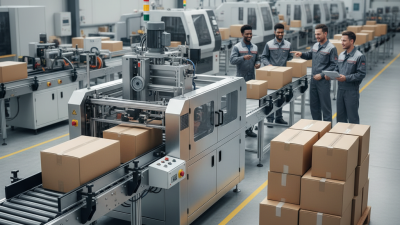
Choosing the right industrial packaging machine is rarely about speed alone. Global buyers must weigh product type, package format, factory space, labor skills, maintenance access, and export requirements. A fast machine can still create costly waste when changeovers are slow or spare parts are difficult to source. Small details matter, such as tool-free adjustments, clear control panels, and sealed components near dusty production lines.
Jorge Izquierdo, Vice President of Market Development at PMMI, has observed, “Automation must solve a production problem, not simply add technology.” That principle guides this selection of the top 10 industrial packaging machines for global buyers. The list covers filling, sealing, labeling, cartoning, wrapping, case packing, palletizing, and integrated end-of-line systems. Each category serves a different operational need.
Look beyond impressive output figures. Ask how the machine performs during a two-hour product changeover. Check film consumption, compressed-air demand, cleaning time, operator training, and remote technical support. Confirm whether the supplier can provide documentation for the destination market. These practical checks often reveal more than a glossy brochure.
No ranking fits every factory. A small food producer may value flexibility over maximum throughput. A multinational warehouse may prioritize uptime, data integration, and standardized service. That tension deserves attention. The best industrial packaging machine is not always the most advanced model; it is the one that remains dependable when products, workers, and market conditions change. Mistakes still happen. Good equipment makes them easier to detect, correct, and learn from.
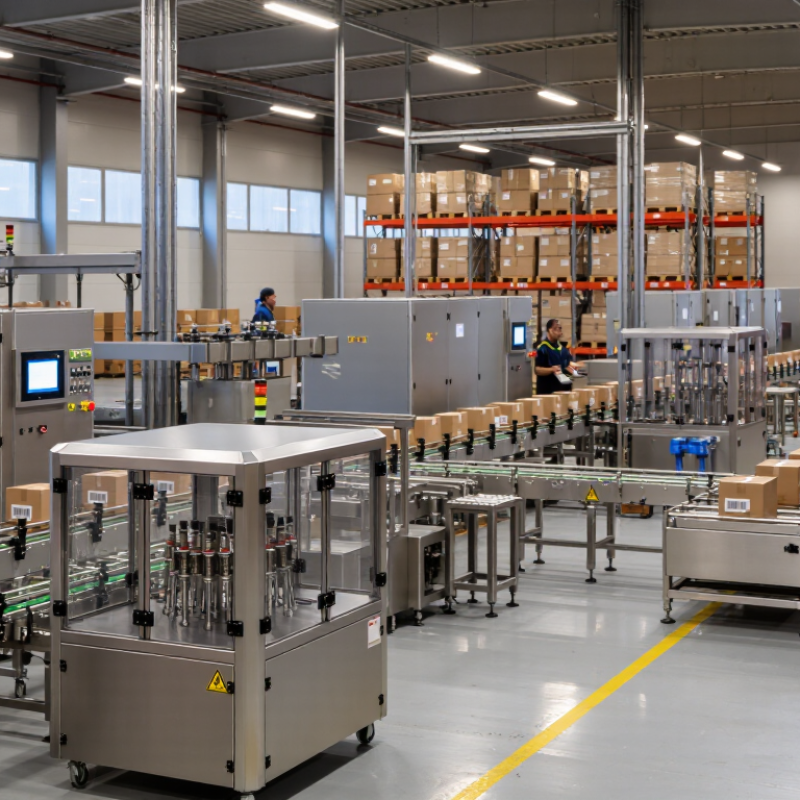
Industrial packaging machines are equipment that fills, seals, labels, wraps, or cartons products at controlled speeds. They replace repetitive manual work while improving output consistency and workplace safety. In a real production line, a filler measures material, a sealer closes the package, and a coder adds traceable information. Their value depends on the product, not merely the machine’s rated speed. A fast machine can still create costly waste. That matters.
Selection starts with product behavior: liquid, powder, granule, fragile part, or irregular item. Check viscosity, moisture, particle size, temperature, and contamination risk before requesting quotations. Packaging material matters too. Film thickness, pouch dimensions, carton strength, and closure type affect machine compatibility. Operators should test representative samples, including difficult batches, rather than trusting a perfect demonstration. Ask for measured accuracy, changeover time, cleaning access, noise level, and compressed-air consumption. These details expose practical limits.
Reliable buyers also assess guarding, emergency stops, documentation, training, spare-part availability, and service response. The machine should support applicable safety, labeling, electrical, and material-contact requirements in each destination market. Total cost includes installation, utilities, maintenance, rejected packs, and downtime. A compact machine may fit the floor but restrict future capacity. A specification can look excellent until operators face awkward cleaning points. That weakness deserves attention. Select equipment with adjustable settings, clear diagnostics, and a documented acceptance test. Leave room for uncertainty; production rarely behaves exactly like a brochure.
Top 10 Industrial Packaging Machines for Global Buyers
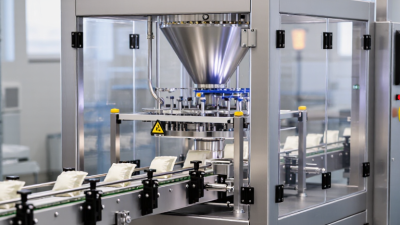
Automatic filling and weighing machines are essential for high-volume production. They measure products quickly, reduce manual handling, and support consistent package weights.
A reliable system uses load cells, accurate dosing controls, and stable product flow. It should also handle changes in density, moisture, and particle size. Powder, granules, and free-flowing materials may require different feeding methods. During factory trials, operators should check fill accuracy across several batch sizes. One test is rarely enough. Production speed can affect results, especially when material bridges inside the hopper. Dust protection, easy cleaning, and accessible components also matter in demanding facilities. These details often decide whether a machine performs well after installation.
Tips: Confirm the target weight range before selection. Ask for documented accuracy results and maintenance intervals. Check electrical standards, available floor space, and local service support. Keep spare sensors and sealing parts available. A short operator training session can prevent costly mistakes. However, even experienced teams may need time to adjust feed rates. Leave room for that learning period.
Global buyers should compare complete operating costs, not only purchase prices. Energy use, calibration checks, cleaning time, and rejected packs affect long-term value. A clear acceptance test should define speed, accuracy, safety, and changeover requirements. No machine is perfect, and real production conditions may expose weaknesses missed during demonstrations. Honest testing builds better purchasing decisions.
| Rank | Machine Type | Primary Product | Typical Fill or Weighing Range | Typical Output | Typical Accuracy | Common Package Format | Best Application |
|---|---|---|---|---|---|---|---|
| 1 | Multihead Combination Weigher | Snacks, frozen foods, confectionery, vegetables, and other free-flowing pieces | 10 g–3 kg per package | 30–120 packages/minute | Approximately ±0.1–1.0 g, depending on product and target weight | Pouches, trays, containers | High-speed portion weighing where product shape and weight vary between pieces |
| 2 | Linear Weigh Filler | Grains, seeds, pasta, pulses, pet food, and hardware components | 50 g–5 kg per package | 10–40 packages/minute | Approximately ±0.5–2.0% of target weight | Bags, jars, cartons | Accurate and economical weighing for medium- to high-volume dry products |
| 3 | Auger Powder Filler | Flour, spices, milk powder, chemicals, pigments, and pharmaceutical powders | 5 g–5 kg per package | 10–60 fills/minute | Approximately ±1–2%, depending on powder density and flow behavior | Bottles, cans, pouches | Controlled dosing of powders with variable bulk density or poor flowability |
| 4 | Net Weigh Filler | Rice, flour, animal feed, fertilizer, pellets, and granular chemicals | 5–50 kg per package | 5–20 packages/minute | Approximately ±0.1–0.5% of target weight | Open-mouth bags | Heavy-duty filling lines requiring precise net weight before bag closing |
| 5 | Volumetric Cup Filler | Rice, grains, snacks, sugar, nuts, and other free-flowing solids | 50–2,000 ml per package | 20–80 fills/minute | Approximately ±1–3%, depending on bulk density and particle consistency | Pouches, jars, cans | Cost-effective volumetric filling for products with relatively stable density |
| 6 | Piston Liquid Filler | Sauces, creams, pastes, gels, detergents, and viscous food products | 10–5,000 ml per container | 10–50 containers/minute | Approximately ±0.5–1.0% of target volume | Bottles, jars, tubs | High-accuracy volumetric filling of medium- and high-viscosity liquids |
| 7 | Overflow Liquid Filler | Water, shampoo, cleaning liquids, oils, and low- to medium-viscosity products | 100–5,000 ml per container | 10–40 containers/minute | Consistent visual fill level; volumetric accuracy varies by product | Transparent bottles | Applications where uniform liquid levels are more important than exact volume |
| 8 | Vertical Form-Fill-Seal Weighing Machine | Snacks, coffee, grains, powders, frozen products, and pet food | 10 g–5 kg per bag | 20–100 bags/minute, depending on product and bag size | Approximately ±0.5–2.0% with integrated weighing equipment | Pillow, gusseted, block-bottom bags | Integrated weighing, forming, filling, and sealing for continuous bag production |
| 9 | Rotary Premade-Pouch Filler | Granules, powders, liquids, sauces, snacks, and prepared foods | 50 g–2 kg per pouch | 20–70 pouches/minute | Approximately ±0.5–2.0%, depending on filling system | Premade pouches | Flexible packaging lines requiring zipper, stand-up, spouted, or shaped pouches |
| 10 | Big-Bag Filling Weigher | Powders, minerals, fertilizer, resin, grains, and industrial bulk materials | 250–2,000 kg per bulk bag | 2–8 bulk bags/hour | Approximately ±0.1–0.5% of target weight | Flexible intermediate bulk containers | Bulk shipment preparation where controlled weight, dust management, and material handling are required |
Cartoning, case packing, and palletizing systems form the core of many industrial packaging lines. Cartoning machines load products into folding cartons, then close and seal them with controlled pressure. They suit bottles, pouches, trays, and smaller retail units. Servo-driven infeed systems help maintain spacing when product flow changes. A reliable cartoner should handle carton size variation without constant adjustment. Small details matter.
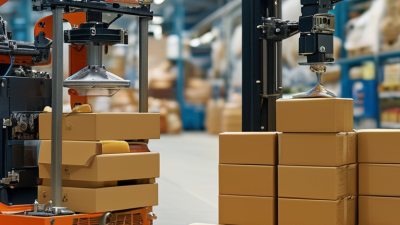
Case packing machines group cartons into shipping cases. Some load from above, while others use robotic pick-and-place arms. The right choice depends on product weight, case strength, and required speed. Operators should inspect glue patterns, compression points, and carton alignment during trials. I have found that impressive factory speed can hide difficult changeovers. That weakness becomes expensive when packaging formats change weekly.
Palletizing systems arrange sealed cases onto pallets using robotic arms or layer-forming equipment. They must protect corners, control stack height, and keep loads stable during transport. Slip sheets, stretch wrapping, and pallet patterns influence final performance. Buyers should request real product samples, not only theoretical specifications. Check floor space, electrical requirements, safety guarding, and maintenance access before approval. No line is perfect. Dust, uneven cases, and rushed operators can reduce output. A practical acceptance test should measure uptime, changeover time, reject rates, and actual case weight under normal production conditions.
Secure transport starts with the right machine combination. A practical top-ten shortlist includes stretch wrappers, shrink wrappers, flow wrappers, case sealers, carton sealers, strapping machines, pallet banders, stretch-hood systems, vacuum sealers, and induction sealers. Wrapping controls dust and shifting. Strapping adds compression. Sealing protects edges from moisture. Smithers forecasts global packaging sales will exceed 1.2 trillion dollars by 2028. That growth increases selection pressure. Bigger is not always better.
For export pallets, test film tension, strap force, seal temperature, and corner protection. Use realistic loads, uneven floors, cold storage, and long vibration cycles. ASTM D4169 and ISTA 3E provide useful transport-testing frameworks. OECD’s Global Plastics Outlook reports that packaging represents about 40% of global plastic waste. Material reduction matters, but thinner film may reduce load stability. A clean factory test can mislead. Field conditions are harsher.
Tips: Match machine speed with actual line output, not the supplier’s maximum figure. Check spare-part access, operator training, and changeover time. Record damaged cartons after transport trials. If failures repeat at corners, adjust the packaging system before increasing strap tension. A small mistake becomes expensive across thousands of pallets.
Top 10 Industrial Packaging Machines for Global Buyers
How Global Buyers Compare Capacity, Safety, Cost, and After-Sales Support
The top ten options include form-fill-seal, vertical baggers, horizontal wrappers, vacuum packers, and strapping machines. Carton sealers, case packers, palletizers, stretch wrappers, and labeling machines also serve different production needs. Capacity should match real demand, not an optimistic sales forecast. Check hourly output using your actual product, package size, and shift pattern. A machine rated for 60 packs per minute may produce less after changeovers, cleaning, and material adjustments.
Safety deserves equal attention. Look for guarded moving parts, accessible emergency stops, clear operating instructions, and documented risk assessments. Test how operators load film, remove jams, and clean sealing areas. Small access problems become daily hazards. Electrical conformity documents and training records should be available before installation. I have seen buyers focus on speed and discover that poor access increased downtime and operator fatigue.
Purchase price alone gives an incomplete comparison. Include energy use, spare parts, tooling, maintenance hours, and rejected packaging. A cheaper machine may require costly format changes. Ask for performance data from similar products, not only laboratory tests. After-sales support should cover remote diagnostics, response times, technician availability, and spare-parts stock near your market. Ask for a written service scope. No scorecard is perfect. Local support can matter more than a slightly higher capacity, especially when one stopped conveyor delays an entire palletizing line.
How global buyers compare rated capacity, safety readiness, capital cost, and after-sales serviceability
Indicative mid-market benchmark values based on commonly published equipment specification ranges and procurement scoring practices. Capacity is shown as typical rated cycles per minute; capital cost represents estimated equipment-only investment in USD thousands. Safety readiness and serviceability are normalized scores from 0 to 100 and should be validated against the supplier’s documentation, local regulations, installation conditions, spare-parts policy, and response-time commitments.